
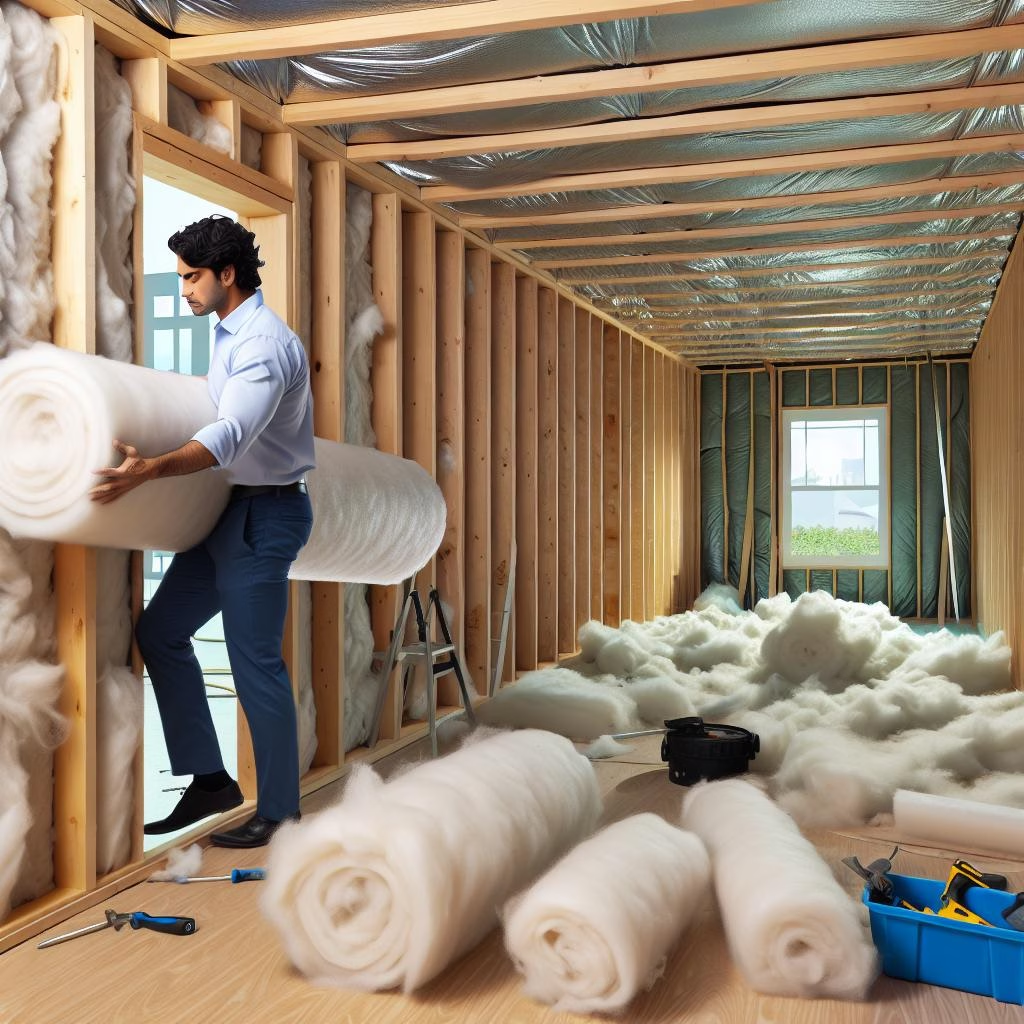
Insulation might sound technical, but it’s essentially the invisible hero in modern construction! Comprising materials like fibreglass, wool, or foam boards, insulation sits within the walls, floors, and roofs of buildings. Its main job? To reduce heat loss or gain, ensuring spaces remain comfortable while using less energy.
Why does this matter? Well, energy bills can drop by up to 30% in well-insulated homes and buildings, translating to major savings! Moreover, insulation contributes significantly to reducing carbon footprints—benefiting the environment. That’s why both professionals and homeowners are keen to incorporate it into projects, making their spaces not only cozy but also eco-friendly. After all, who wouldn’t want a warm home and a greener planet?
Why Insulation Matters for Energy Efficiency
Insulation is a key player in creating energy-efficient buildings, much like a cozy sweater that keeps warmth in and cold out. It’s essential in places such as homes, offices, and even landscapes, ensuring comfort and saving on energy bills. You’ll often find it in walls, roofs, and floors, silently boosting energy performance.The main charm of insulation lies in its durability, which stands the test of time. It also enhances the aesthetics and strength of a building—they’re not just pretty faces, they’re also built to last.
However, insulation does come with its challenges. While the benefits are plentiful, the initial cost might make you think twice. Moreover, insulation materials can be heavy, and installing or handling them might require extra care and expertise. Despite these hurdles, the long-term gains make insulation an indispensable part of sustainable architecture.
How to Estimate Insulation Needs?
Accurate estimation matters in determining the right insulation for energy-efficient buildings because it ensures optimal thickness and material selection, leading to improved thermal performance. This precision not only enhances indoor comfort but also significantly reduces energy bills, helping create sustainable and eco-friendly living spaces that are both economically and environmentally beneficial.A construction calculator formula for estimating the required insulation based on building area and desired R-value (thermal resistance) can be quite handy. Here’s a straightforward formula you can use:
Required Insulation (square meters) = Building Area (square meters) × Desired R-value
Insulation Efficiency Calculator
Efficiency Gain = 0mm * 1 m² * 0.04
Potential Efficiency Gain: 0.00%
Why Insulation Matters for Energy Efficiency
Creating well-insulated buildings is key to achieving energy efficiency. Here are several important factors to consider:1. Durability: Choose insulation materials that withstand time and environmental conditions. This prevents additional costs and inconvenience from replacement.
2. Cost: Balancing initial investment with long-term savings is crucial. While some insulation options might be more expensive upfront, they significantly reduce energy bills in the long run.
3. Sustainability: Select eco-friendly insulation materials to minimize environmental impact. Sustainable options reduce carbon footprints and promote green building practices.
4. Safety: Ensure that insulation materials comply with safety standards. Non-toxic options are vital for maintaining healthy indoor air quality.
5. Moisture Resistance: Poor insulation can lead to moisture build-up, causing mold and structural damage that disrupt the comfort and hygiene of a building.
If you miscalculate insulation effectiveness, you risk energy loss, increased bills, and even structural issues. Here are some tips:
– Conduct a thorough insulation audit to identify the most efficient places to add or improve insulation.
– Research to find the latest eco-friendly insulation technologies.
– Consult experts to ensure correct installation, as improper setup can nullify insulation benefits.
The Practical Application of Insulation Calculations
### Real-World Scenarios Where Insulation is Critical Here’s a look at some practical scenarios where insulation plays a key role:- Home Renovation: When revamping an old house, adding insulation helps lower energy bills and improve indoor comfort.
- Commercial Construction: During the construction of office buildings, insulation ensures efficient energy use, resulting in reduced operational costs.
- Landscaping Structures: Installations like outdoor studios or garden rooms benefit from insulation through climate control, making them usable year-round.
- DIY Projects: Even small-scale projects like converting a loft into a reading nook gain from added insulation, enhancing comfort and efficiency.
- Green Building Design: Incorporating eco-friendly construction materials includes the use of insulated panels, aligning with environmental goals.
- Retail Spaces: Insulating stores keeps the environment comfortable for customers and reduces heating costs significantly.
- Educational Institutions: Schools must manage their energy consumption rigorously, where insulation helps meet budgetary constraints effectively.
Using quality sealants for waterproofing and joint protection not only boosts safety by preventing structural damage but also can save costs by reducing the need for frequent repairs. This ensures durability and peace of mind.
Conclusion: The Power of Insulation
When it comes to building with reinforced concrete, the secret to success lies in meticulous planning and accurate calculations. By evaluating the amount of rebar needed precisely, you ensure durability and structural integrity, contributing to a smoother project.Worried about managing it all? Fear not! With the right tools and expertise, you can transform complexities into straightforward solutions. Don’t let uncertainty weigh you down—embrace forward-thinking design and start your project on the right foot.
Discover how Earthsarc can guide you through this process and help turn your dream spaces into reality today!