
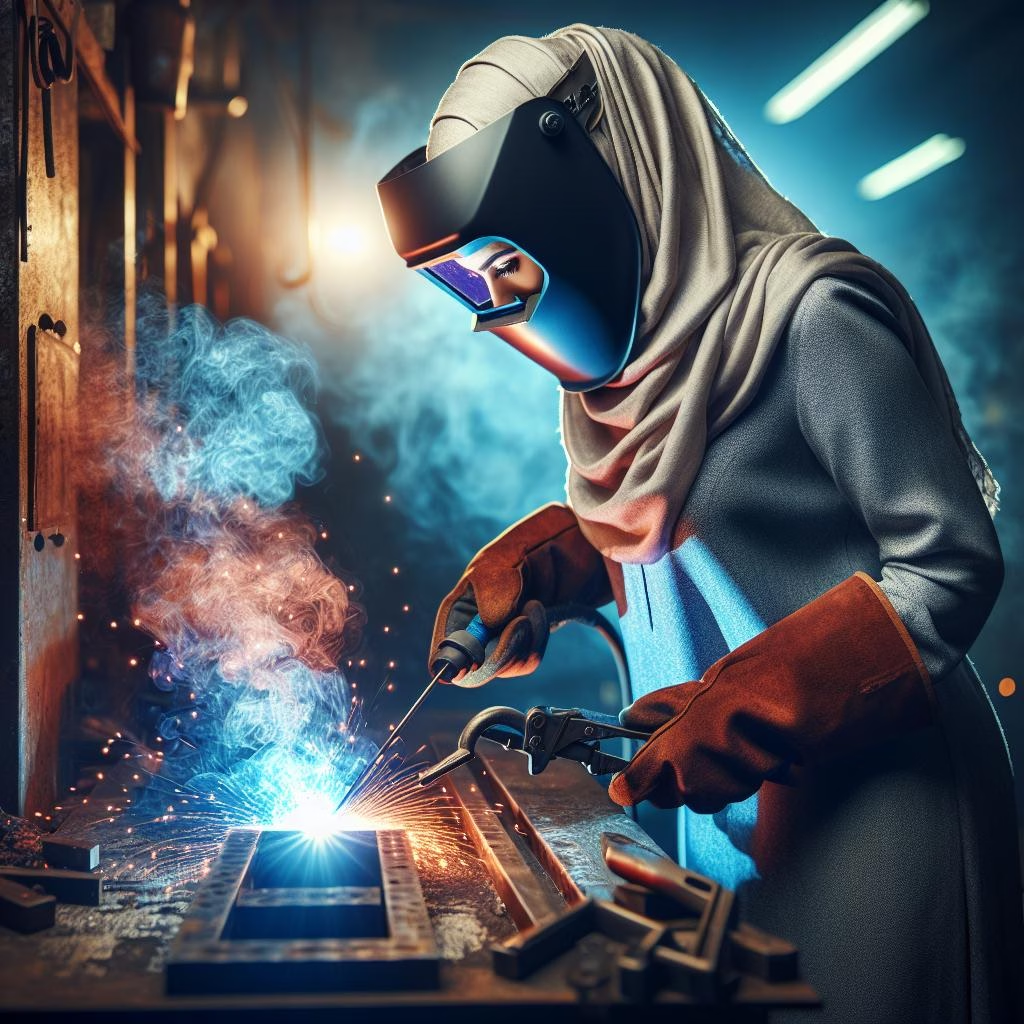
In the world of construction and home projects, welding is a crucial skill that fuses materials like metals to create secure and long-lasting structures. Think of welding as the vital glue holding everything from steel beams in skyscrapers to quaint garden sculptures together. Professional architects and DIY enthusiasts alike rely heavily on welding best practices to ensure these joints are not only strong but safe too. After all, nobody wants a wobbly railing or a creaky gate! Whether crafting a sturdy staircase or reinforcing an elegant steel frame, understanding and applying welding best practices is key to achieving both functional integrity and beautiful design.
Understanding Welding for Safer Structures
Welding Best Practices for Stronger and Safer Joints are like the hidden secrets of the construction world. To put it simply, they are tried-and-tested techniques that ensure metal parts join seamlessly and securely, like Lego pieces of the industrial world. These practices are commonly used in home construction, landscaping, and even renovations. Imagine drawing a clean and smooth line where two materials meet—that’s what good welding does.The big wins of these best practices? You get durability that stands the test of time, aesthetics that please the eye, and strength that can support tall structures or withstand rough weather. However, it’s not all sunshine and rainbows. Challenges do exist, including costs that sometimes pinch the wallet, weight that requires special handling, and the complexity that demands skilled hands. But, when done right, welding connects more than just materials—it melds form with function, turning designs into reality.
How to Estimate Welding Needs?
Accurate estimation in welding is crucial as it determines material requirements and cost efficiency. It minimizes waste, ensures joint integrity, and supports safer construction. When precision meets planning, welding projects become seamless, resulting in stronger and more enduring structures. This foundational step allows welders to maintain high standards and deliver resilient, sustainable projects.Certainly! Here’s a simple formula related to welding best practices for stronger and safer joints:
Heat Input (kJ/mm) = (Voltage x Current x 60) / (Travel Speed x 1000)Weld Strength Calculator
Weld Strength = Length * Thickness * 0.5
Weld Strength: 0.00 N
Welding Best Practices for Stronger, Safer Joints: Key Insights
Creating a space—whether an architectural marvel or a cozy nook—often involves the delicate art of welding to ensure strength and safety. Here are some major factors and practical tips when delving into ‘Welding Best Practices for Stronger and Safer Joints’:- Durability: Ensure materials and techniques are chosen to withstand time and wear. Underestimating these can lead to structural failures, impacting safety and cost.
- Cost: Align your budget with the welding quality you require. Opting for cheaper materials and labor may initially save money but could result in higher long-term costs due to repairs.
- Sustainability: Choose eco-friendly materials and processes. Missteps here can increase waste and environmental impact.
- Safety: Prioritize safety protocols and equipment. Neglecting this can result in accidents and injuries, affecting both project timelines and well-being.
- Skill Level: The expertise of the welder is crucial. Misjudging this can compromise joint integrity.
Real-Life Applications of Welding Best Practices
Creating safe and stylish spaces isn’t just about pretty decor; it’s about strong foundations too. This is where welding best practices play a crucial role.Let’s delve into a few scenarios where having stronger and safer joints is essential:
- During home renovation projects, ensuring that steel beams and frames are securely welded prevents structural weaknesses. This leads to safer living environments.
- In commercial construction, employing standardized welding practices guarantees that high-rise buildings remain stable and durable over time, protecting both tenants and workers.
- For landscaping designs that incorporate metal structures like pergolas or sculptures, welding ensures they withstand weather elements and maintain aesthetic appeal.
- In DIY projects, such as crafting metal furniture or outdoor seating, adhering to proper welding techniques ensures longevity and user safety.
- While installing metal fixtures in kitchens or bathrooms, strong welds prevent fixtures from becoming hazards under daily wear and tear.
- For public spaces, like parks or recreational facilities, welded metal elements enhance durability, reducing maintenance costs and improving safety for all visitors.
- When creating custom industrial interiors, welded joints unify style and function, supporting the overall design without compromising on safety.
Using quality sealants for waterproofing and joint protection not only boosts safety by preventing structural damage but also can save costs by reducing the need for frequent repairs. This ensures durability and peace of mind.
Conclusion and Key Takeaways
When it comes to building with reinforced concrete, the secret to success lies in meticulous planning and accurate calculations. By evaluating the amount of rebar needed precisely, you ensure durability and structural integrity, contributing to a smoother project.Worried about managing it all? Fear not! With the right tools and expertise, you can transform complexities into straightforward solutions. Don’t let uncertainty weigh you down—embrace forward-thinking design and start your project on the right foot.
Discover how Earthsarc can guide you through this process and help turn your dream spaces into reality today!