
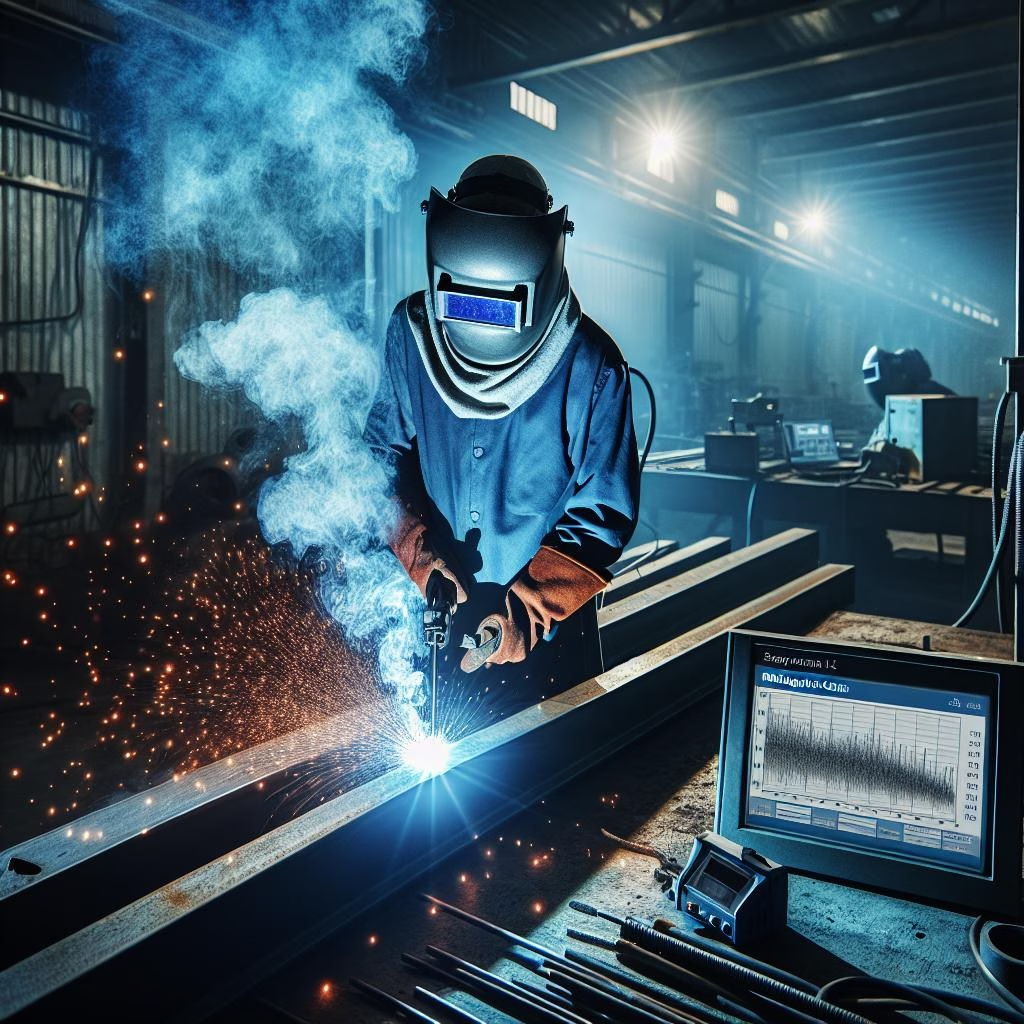
In the world of construction and design, the role of carbon equivalent in welding and steel strength is absolutely crucial. It’s essentially a measure that analyses the presence of carbon and other alloying elements in steel which affect its welding ability and overall strength. For anyone looking to build something robust and lasting, understanding this factor is key. Both professionals and homeowners pay close attention to it, ensuring the steel they choose can withstand whatever forces it might face, while maintaining safety and integrity. So, whether it’s crafting a bridge, your dream home, or a sleek skyscraper, the carbon equivalent helps determine that the steel used will perform flawlessly.
Understanding Carbon Equivalent in Steel Strength
At the heart of many construction projects, the “Role of Carbon Equivalent in Welding and Steel Strength” is fundamental. In simple terms, it’s all about how various metals are combined with carbon to form steel that can be efficiently used in welding. For instance, when constructing your cozy home or that chic garden landscape, knowing the right carbon equivalent can make a world of difference. It’s what lends steel its renowned attributes—durability, aesthetic appeal, and unmatched strength. Ever notice how certain neighborhoods gleam with thoughtfully constructed steel structures? That’s the secret sauce. However, it’s not all rosy. The challenges include costs that can rise unexpectedly, particularly if you lean towards premium materials, along with its hefty weight that might be a backbreaker during handling. Yet, when balanced correctly, these challenges are but a small hill compared to the mountain of benefits steel provides.How to Calculate Carbon Equivalent?
Estimating the carbon equivalent is crucial for determining the weldability and strength of steel. By evaluating this factor, architects and builders can make smarter choices, ensuring structural integrity while minimizing risks during construction. It’s a key step in crafting safe and resilient spaces that stand the test of time.In the exciting world of design and architecture, creating spaces that are both beautiful and strong is essential. Whether you’re dreaming up your ideal home or crafting a public space, understanding key elements like welding and steel strength can be a game-changer. That’s where the “Role of Carbon Equivalent in Welding and Steel Strength” comes in, captivating us with its direct influence on both style and substance.
Now, let’s dive into how the carbon equivalent makes all the difference. It’s a formula used to predict a steel’s weldability and toughness. Essentially, it evaluates the hardenability of the steel, which is vital when considering the strength and longevity of your structure. With 45% of the world’s construction steered by the optimal use of materials, understanding these elements isn’t just technical; it’s transformational.
Here’s a nifty little formula to get you started:
CE = %C + (%Mn/6) + ((%Cr + %Mo + %V)/5) + ((%Ni + %Cu)/15)
Now, as we transition into the digital age, it’s important to bring tech into the fold. Construction calculators using the carbon equivalent formula can be handy tools, seamlessly guiding your choices and ensuring precision in your designs. Moreover, with their user-friendly approach, these calculators demystify complex compositions, making them accessible to everyone from budding designers to seasoned architects.
Furthermore, did you know that architectural beauty isn’t limited to structural integrity alone? It also involves appreciating cultural nuances and adopting creative design elements. For instance, blending traditional Indian motifs with modern British minimalist style has become increasingly popular across the globe. These styles not only celebrate culture but also emphasize sustainability by integrating locally sourced materials and eco-conscious design principles. That’s a win-win for your space and our planet!
Now, let’s chat a bit about why the carbon equivalent is such a big deal in construction. Since Green architecture and sustainable building practices have become paramount, knowing that the appropriate carbon equivalent impacts not just the strength but also energy efficiency of steel is quite enlightening. After all, the less energy we need to produce and weld materials, the more carbon footprints we save.
Transitioning to another enticing aspect—consider your project’s aesthetic appeal and how materials fit into its overall look. Including steel with the right carbon equivalent can affect the sheen, coloration, and even how the structure ages over time. The more informed you are, the better you can predict these visual elements, making every ripple in the design purposeful and chic.
Are you curious about how all this translates into your spaces? Let’s look at a practical example. Suppose you’re setting up a modern kitchen with exposed steel frameworks and vintage decor. Here, knowing your steel’s carbon equivalent will ensure you choose the best types to bear the structural weight effectively—enhancing both function and flair.
Finally, consider the dynamic dance between functionality and creativity. By integrating statistics, like understanding 60% of structural failures historically linked to incorrect steel usage, with this foundational knowledge of welding and carbon equivalents, your designs become more resilient and visionary.
So, whether you’re huddled over blueprints with a hot cuppa in hand or sketching ideas in the soft glow of evening light, feel confident. As your friendly design partner here at Earthsarc Design Pvt. Ltd., we’re all about turning dreams into grounded, beautiful realities—one confident step at a time.
Carbon Equivalent Calculator
CE = %C + %Mn/6 + %Cr/5
Equivalent Carbon: 0.00
Understanding Carbon Equivalent in Welding and Steel Strength
When it comes to the ‘Role of Carbon Equivalent in Welding and Steel Strength’, getting the details right is crucial for creating reliable and resilient structures. Let’s navigate some pivotal factors:- Durability: Integrating the carbon equivalent informs the long-term robustness of steel, ensuring enduring strength and performance.
- Cost: Adjusting carbon levels can affect material expenses, so balancing budget with material choice is essential.
- Sustainability: Lower carbon content usually results in eco-friendlier materials that align with sustainable practices.
- Safety: Adequately calculating the carbon equivalent is vital to avoid structural failures, guaranteeing the safety of your designs.
- Fabrication Flexibility: The carbon equivalent impacts weldability, influencing how easily materials can be shaped to fit design needs.
- Corrosion Resistance: Certain carbon levels enhance corrosion resistance, expanding the lifespan of steel structures.
- Mechanical Properties: Comprehending the exact mechanics enables optimal performance tailored to specific applications.
Practical Tips: – Regularly test materials to verify carbon content. – Integrate advanced software for precise calculations. – Collaborate with material scientists to leverage their expertise. – Keep abreast of industry standards and technological advances.
Practical Use of Carbon Equivalent in Welding & Steel
Understanding the role of Carbon Equivalent in welding and steel strength can be vital in various real-world scenarios. Here’s a glimpse into where this concept plays a critical role:- Home Renovation: When renovating, especially in areas requiring structural modifications, knowing the carbon equivalent ensures the steel’s strength and longevity.
- Commercial Construction: For large-scale projects, calculating the carbon equivalent guarantees the steel meets required specifications without compromising on safety.
- Landscaping: In constructions involving pergolas or terraces, selecting the right steel with an appropriate carbon equivalent is essential for durability against environmental elements.
- DIY Projects: Even for home enthusiasts, understanding how carbon equivalent affects welding can lead to more successful and stronger steel creations.
- Structural Repairs: Whether fixing a bridge or a balcony, assessing the carbon equivalent ensures appropriate welding practices for lasting repairs.
- Historical Restorations: In maintaining integrity while preserving history, knowing the carbon equivalent helps in choosing the right modern steel that matches the historic standards.
- Heavy Machinery Fabrication: It is crucial to ensure the machinery is reliable and safe under heavy loads, achieved by considering the steel’s carbon equivalent.
Contractors gain from improved project durability and safety. Architects ensure their designs are realized with structural integrity. Homeowners enjoy peace of mind, knowing their spaces are both beautiful and built to last. Everyone saves time and money by avoiding potential engineering failures.
Using quality sealants for waterproofing and joint protection not only boosts safety by preventing structural damage but also can save costs by reducing the need for frequent repairs. This ensures durability and peace of mind.
Key Takeaways and Insights
When it comes to building with reinforced concrete, the secret to success lies in meticulous planning and accurate calculations. By evaluating the amount of rebar needed precisely, you ensure durability and structural integrity, contributing to a smoother project.Worried about managing it all? Fear not! With the right tools and expertise, you can transform complexities into straightforward solutions. Don’t let uncertainty weigh you down—embrace forward-thinking design and start your project on the right foot.
Discover how Earthsarc can guide you through this process and help turn your dream spaces into reality today!