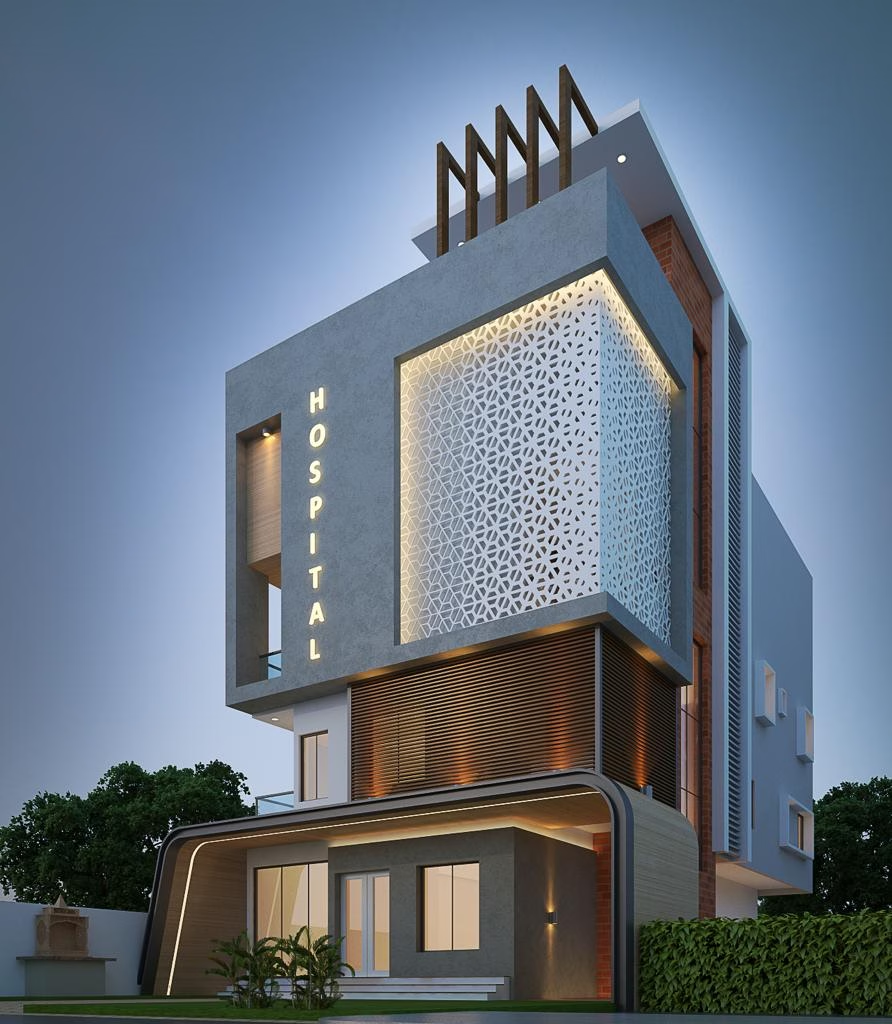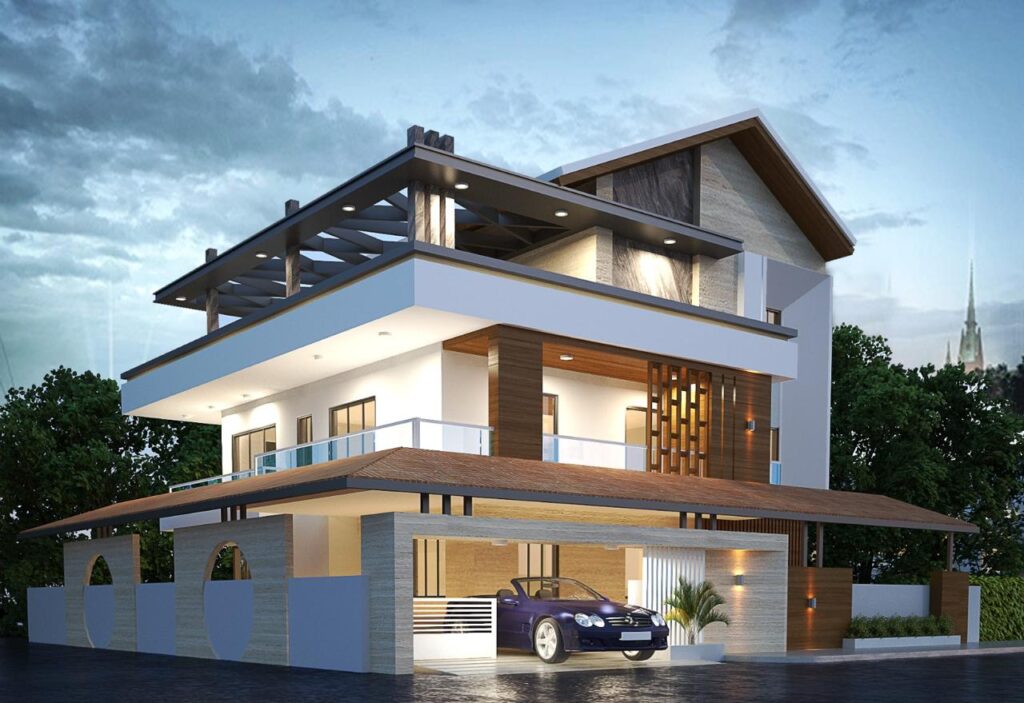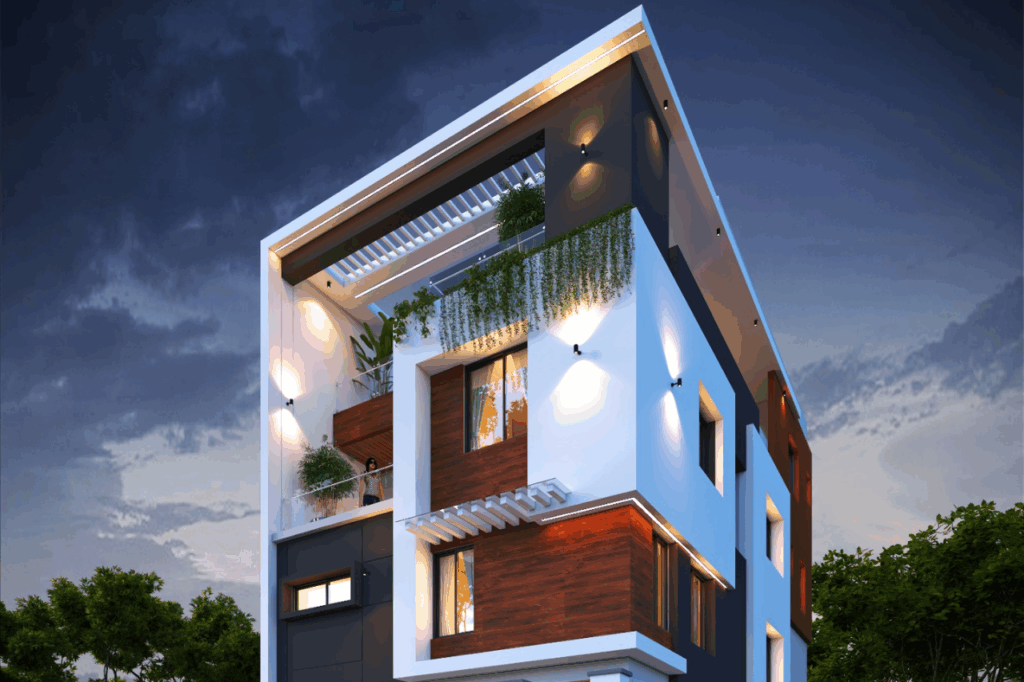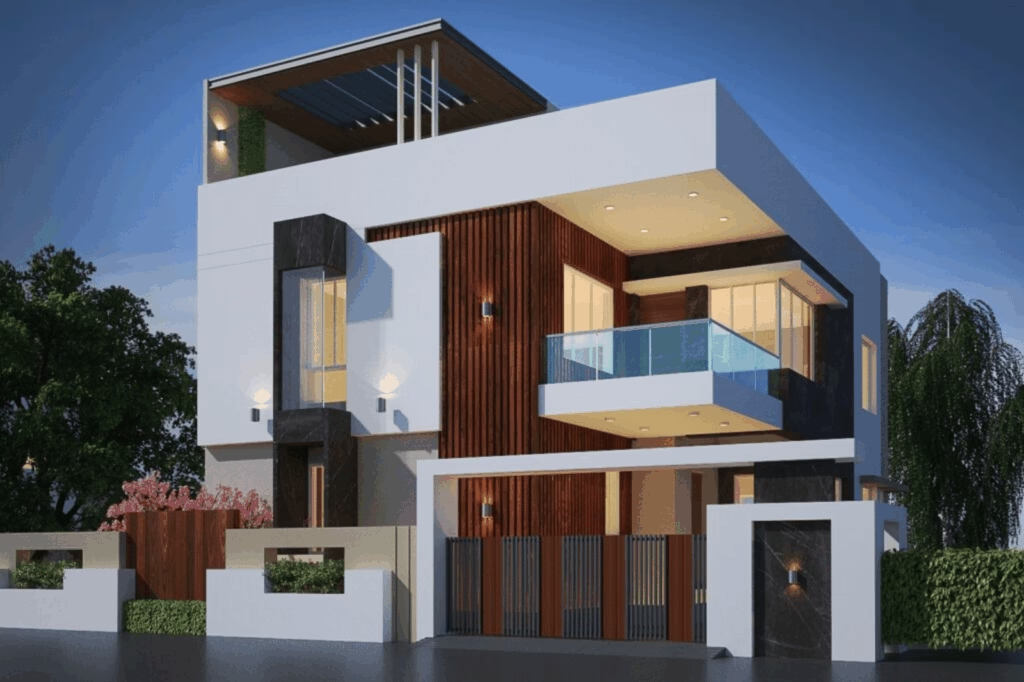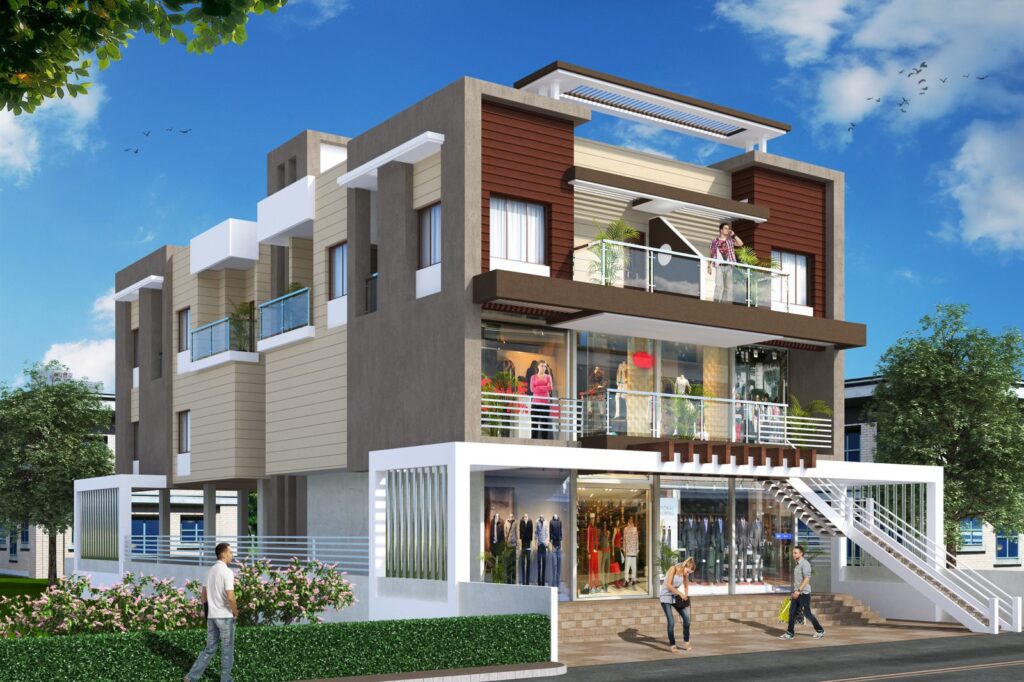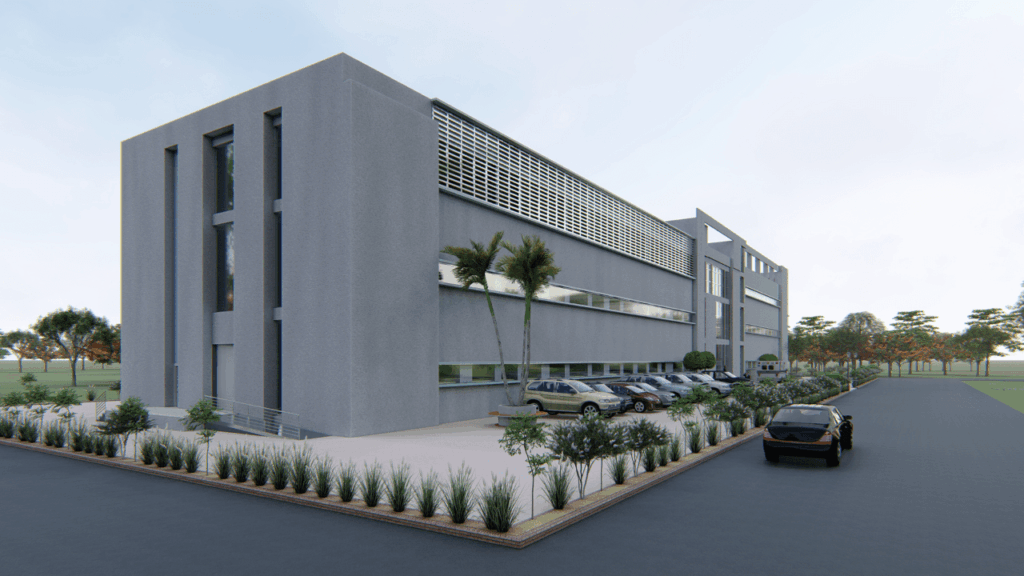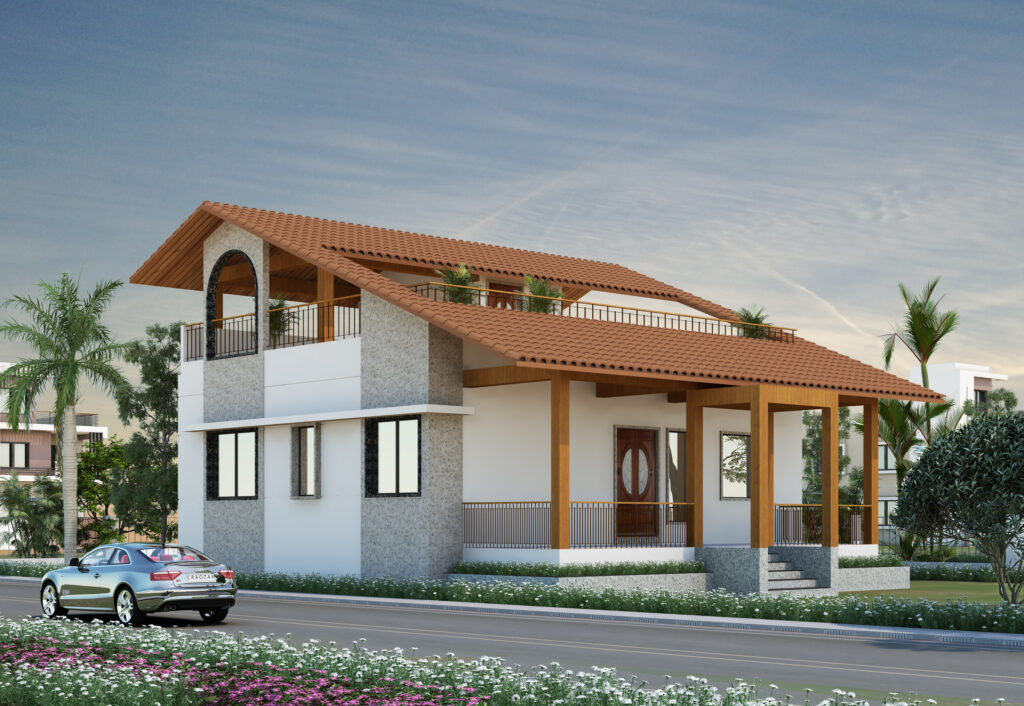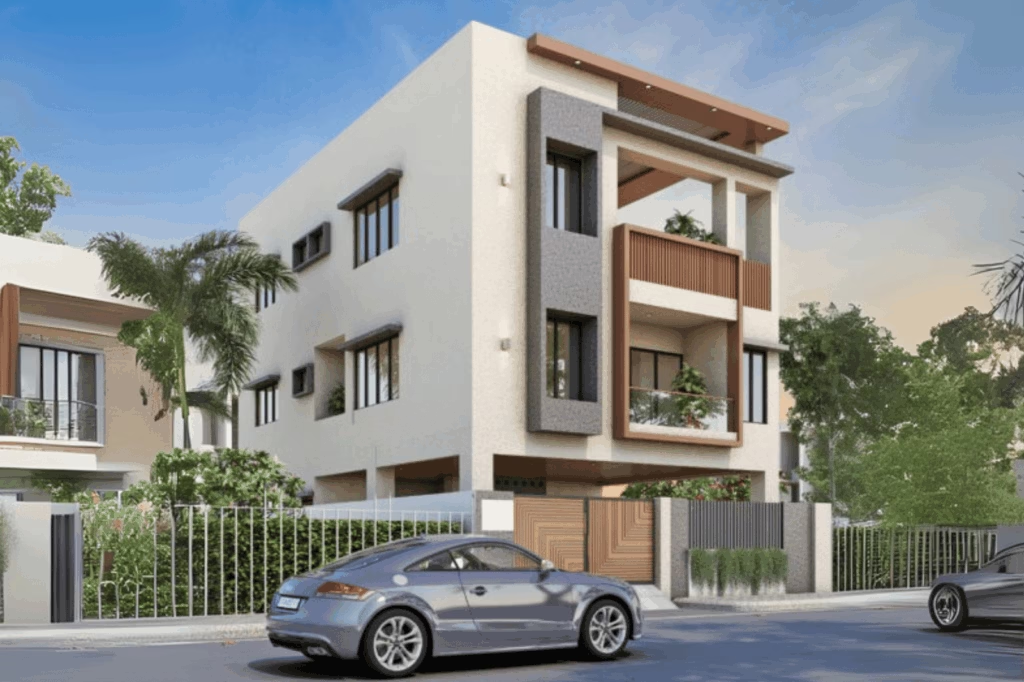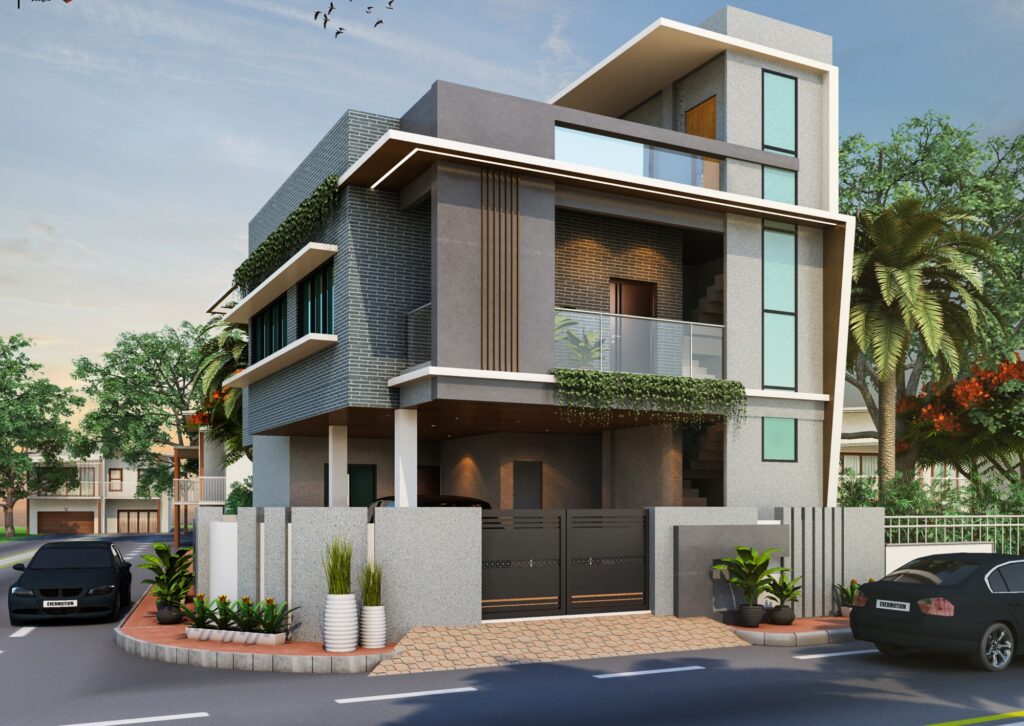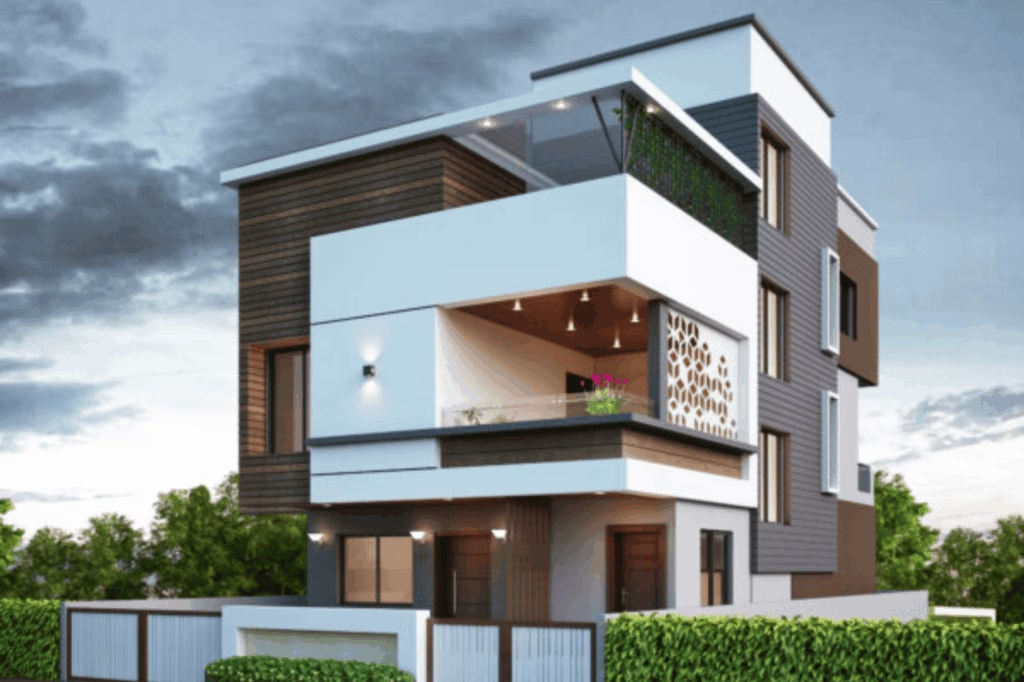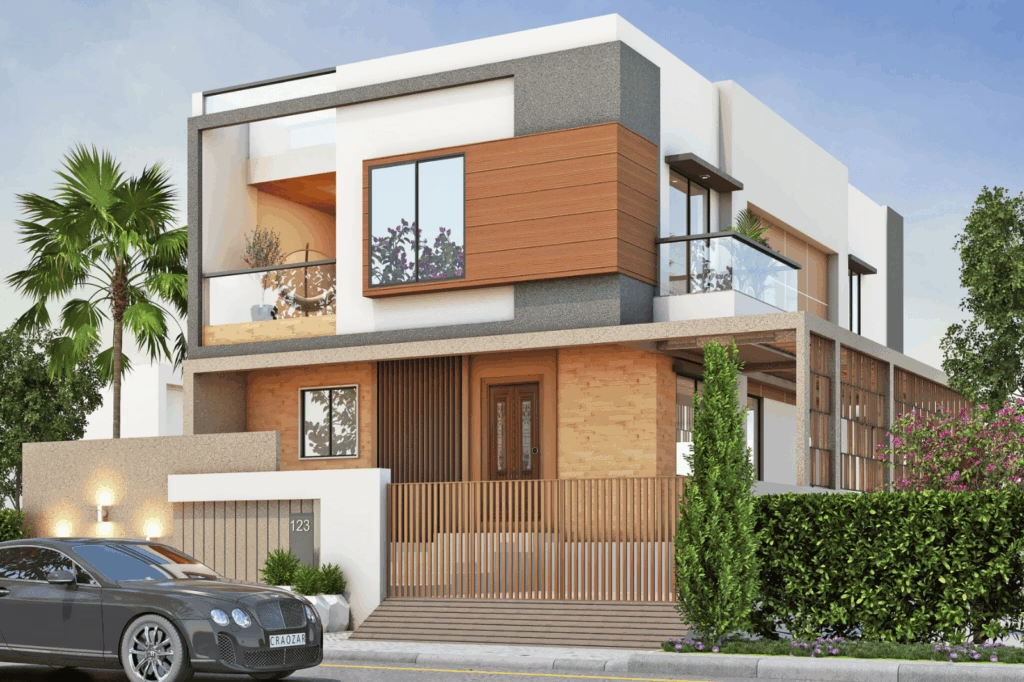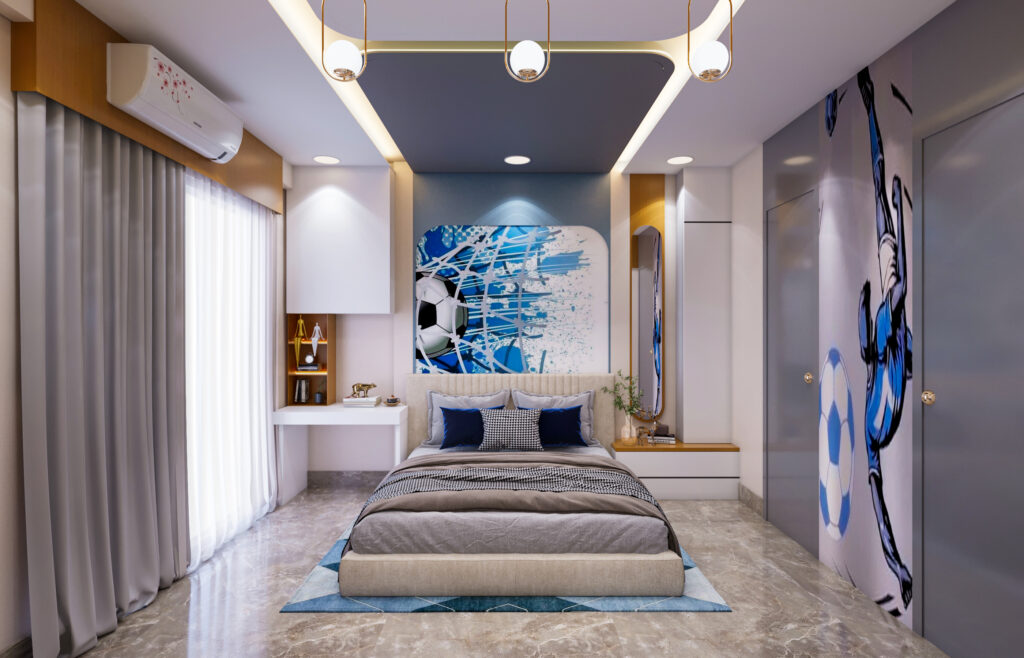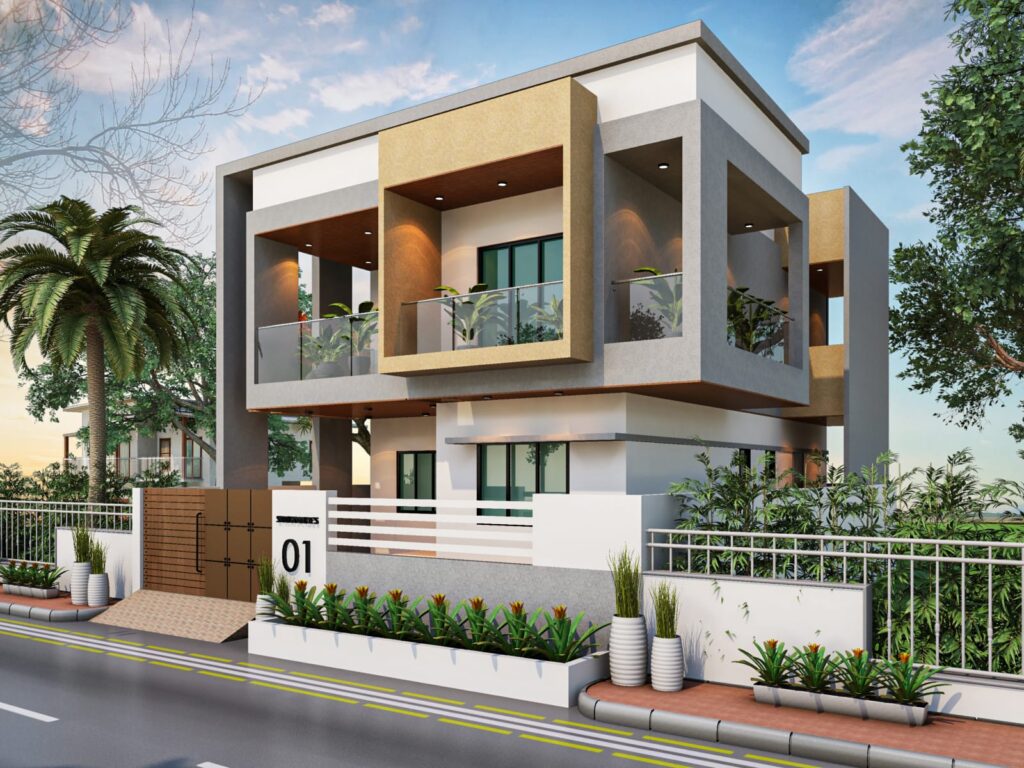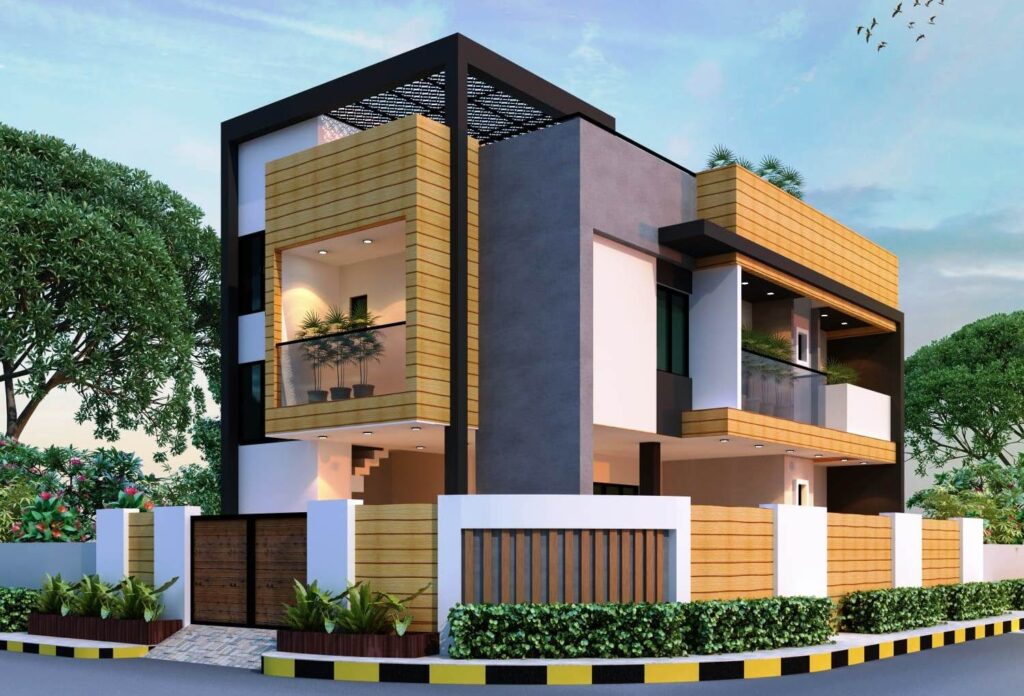
This architectural project for a hospital establishes a powerful contemporary aesthetic that is fundamentally linked to essential healthcare design factors for optimal functionality and patient well-being.
The core aesthetic relies on bold, geometric forms and the dramatic interplay of materials. The façade balances solid, simple masses with textural elements like dark cladding and light-toned surfaces. Crucially, this design integrates key functional elements into its aesthetic: durable, easily sanitized materials and clear spatial organization are used to support stringent Infection Control protocols and simplify maintenance. The design also deliberately maximizes Natural Light and Ventilation throughout the structure, which is a known factor in reducing patient recovery times. Features like perforated screens or integrated light-wells subtly manage Solar Heat Gain, contributing to patient comfort while enhancing the visual texture of the building.
The functionality of the hospital is visually articulated through its thoughtful massing and sophisticated lighting plan. The vertical structure is designed for clear Zoning and Wayfinding, ensuring distinct separation between high-traffic public areas, clinical wings, and specialized units for smooth operational flow. Architectural Lighting is precisely deployed—not merely for decoration, but to ensure high visibility and safety in crucial areas—while illuminating the exterior to convey a reassuring, professional, and modern presence at all hours. This unified approach ensures the hospital conveys institutional authority and a high standard of care through its durable, clean aesthetic and expertly integrated functional design.