
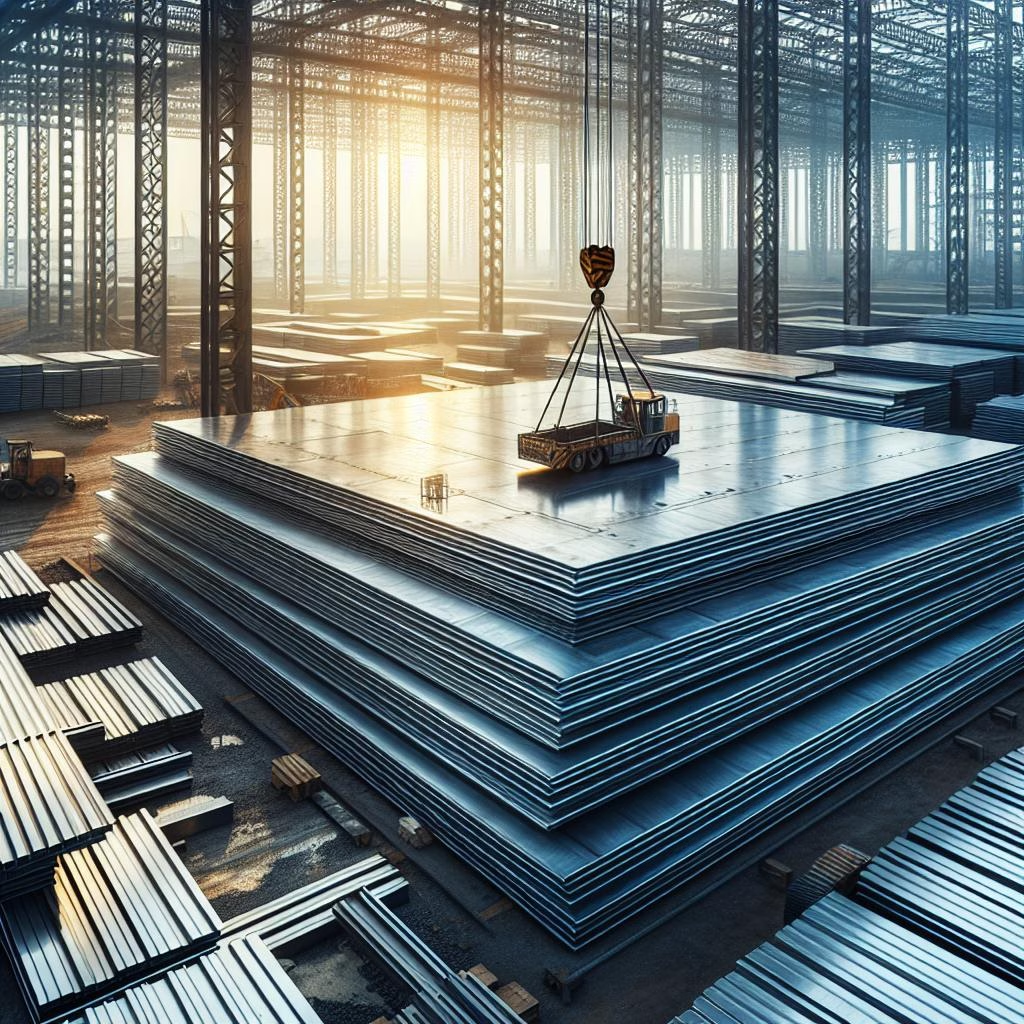
When imagining the backbone of bold architecture and sturdy structures, metal plates play an essential, often unseen role. Made from durable materials like steel and aluminium, these plates are pivotal in balancing thickness and weight, ensuring strength without overwhelming heaviness. They act as crucial connectors and supports in construction, from the sleek skyscraper downtown to your cozy home extension. For professionals, selecting the right metal plate means considering load-bearing needs and material compatibility. Meanwhile, homeowners might not realize it, but these choices influence everything from safety to aesthetic appeal. Understanding this balance is essential for creating structures that are not only functional and strong but also stand the test of time.
Understanding Metal Plates in Engineering
Imagine you’re building a home or planning a garden renovation. Metal plates in structural engineering play a crucial role in construction, holding things together securely and beautifully. Essentially, they’re flat pieces of metal that come in various sizes and thicknesses, serving vital structural purposes. In everyday projects like home construction, landscaping, and renovation, these plates ensure stability, distribute weight, and add an aesthetic touch with their sleek appearance. They’re like the skeleton that holds your space together, strong yet elegant.Now, why are they so popular? Well, metal plates are known for their durability, able to withstand all kinds of weather and wear. Plus, they offer incredible strength without compromising style. However, they’re not without challenges—cost can be high, especially for thicker or specialized plates. Handling also requires care due to their weight and potential hazards if not managed correctly. Still, with the right balance, metal plates provide a solid foundation for creativity.
How to Estimate Metal Plate Needs
Estimation is crucial in structural engineering because it ensures the optimal thickness and weight of metal plates. This balance is vital for safety and efficiency, providing sufficient strength and stability to structures without unnecessary bulk. Accurate estimation helps avoid costly overengineering while maintaining structural integrity and performance.To calculate the weight of a metal plate, which is essential in determining its structural suitability, use this simple formula. Remember, it’s about finding that perfect balance between thickness and weight:
Weight = Density x VolumeMetal Plate Thickness Calculator
Weight = 0mm * 1 m² * 2.7g/cm³
Weight: 0.00 kg
Essential Insights on Metal Plates in Structural Engineering
When you’re diving into the world of metal plates in structural engineering, there are some key factors you simply can’t overlook. Each comes with its set of potential pitfalls if miscalculated or underestimated. Take note of these major players:- Thickness: Getting this wrong can mean the difference between a structure that stands strong and one that wobbles under pressure. Do your calculations, and don’t skimp on those decimals!
- Weight: The heavier the plate, the more it might strain the overall structure. Balancing weight ensures stability without burdening the design.
- Durability: Choose metal plates that can withstand environmental stress and time. Opt for quality to avoid costly long-term repairs.
- Cost: While quality demands a price, going overboard can drain your budget. Find a balance between cost and quality to keep your wallet happy.
- Sustainability: Opt for eco-friendly metal options that are recyclable and sourced responsibly.
- Safety: Neglecting safety standards can risk lives and project viability. Prioritize safety guidelines.
- Installation: Proper installation techniques are crucial to ensure no slippage or misalignment occurs.
Real-Life Benefits of Metal Plate Calculations
When it comes to using metal plates in structural engineering, balancing thickness and weight often plays a pivotal role in various scenarios. Let’s take a gander at some real-world applications:- Home renovations often require the strategic use of metal plates to bolster structural integrity without adding unnecessary heft.
- In commercial construction projects, efficiently designed metal plates help evenly distribute loads, ensuring safety and longevity.
- Landscaping projects sometimes incorporate metal plates for retaining walls, balancing strength and weight for seamless integration into nature.
- For DIY enthusiasts, metal plates serve as essential elements in custom furniture projects, offering support without compromising on style.
- Public infrastructure like bridges employs particularly thick metal plates to bear massive loads safely, illustrating their critical importance.
- In factory floors, thinner metal plates can provide necessary reinforcement without affecting the production area’s functionality.
Incorporating metal plates not only enhances structural integrity but also provides significant safety benefits and cost-saving advantages, reducing maintenance needs over time and ensuring a durable building investment.