
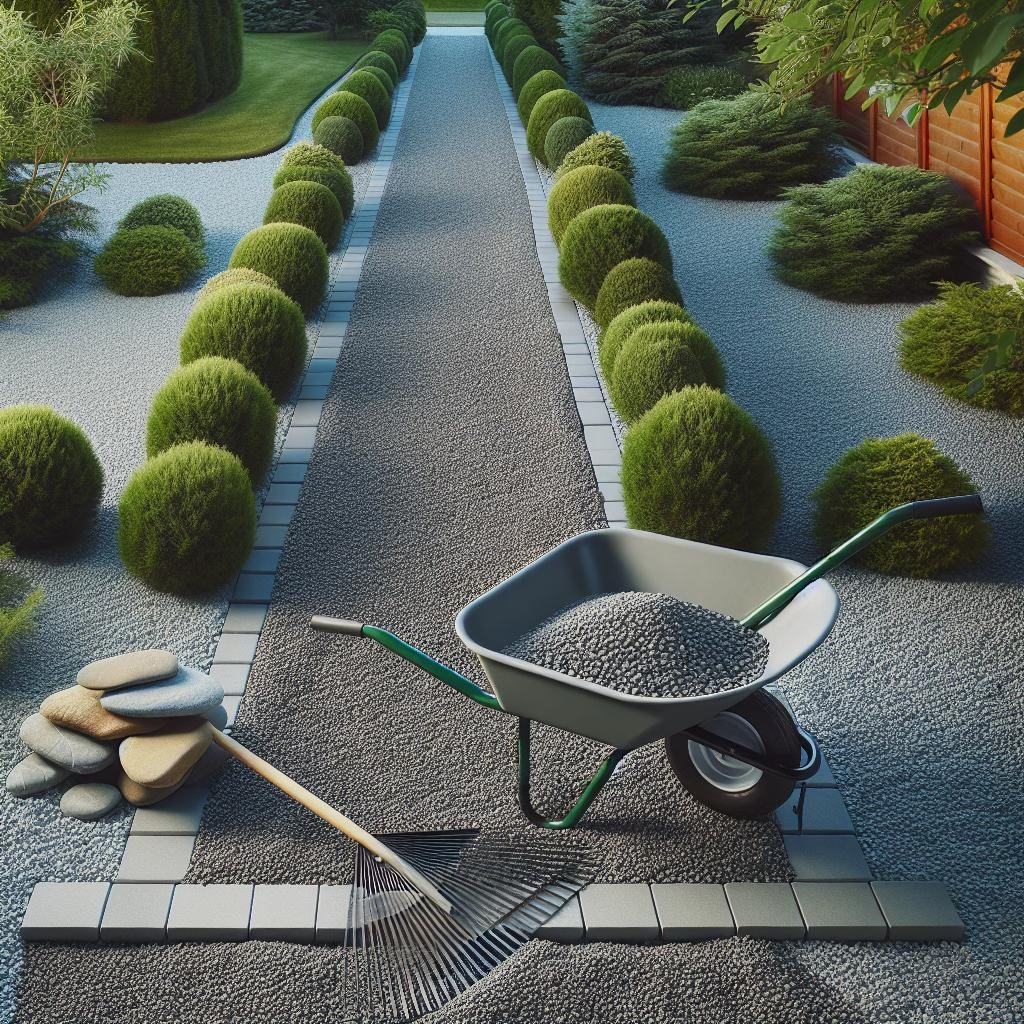
Ever wondered how to make your outdoor spaces both stunning and efficient? That’s where materials like gravel come into play. Gravel is a versatile, affordable, and eco-friendly option, often used alongside cement and brick to craft magnificent driveways and landscaping elements. It provides excellent drainage and a unique aesthetic that can transform any garden or driveway from plain to eye-catching. Professionals and homeowners alike favour gravel for its adaptability and ease of installation, resulting in practical, beautiful projects. With gravel, your outdoor spaces can have that polished look without the hefty price tag or intricate maintenance routines. Stay with us to explore how this humble material can be a game-changer in your outdoor design dreams.
Understanding Gravel’s Role in Outdoor Design
Gravel, those charming, round little stones, plays a bigger role than just looking pretty in your garden. Used in driveways and landscaping, it’s like the unsung hero of home exteriors. Gravel shines in home construction, giving driveways a robust and crunchy path underfoot that’s both durable and visually appealing. It adds a delightful texture to gardens, acting as a canvas for your plant kingdom. Now, it’s not all smooth sailing; gravel does have its challenges. For one, the cost can add up depending on the type and quantity you need. Secondly, it’s pretty hefty, and handling all those stones requires some muscle power or machinery. But don’t let that deter you. The strength and longevity it adds to your space is worth the effort. So, whether you’re sprucing up your driveway or giving your garden a facelift, gravel might just be the perfect pick.How to Gauge Gravel Needs?
Estimating is crucial when using gravel in driveways and landscaping because it ensures you have the right quantity, saving both time and money. Without proper estimation, you risk over-ordering, resulting in unnecessary costs, or under-ordering, causing delays. Calculating needs accurately guarantees a seamless and cost-effective project.Creating a gravel driveway or enhancing your landscaping with gravel can seem daunting, but with the right formula, it’s as easy as pie! Here’s a quick way to estimate how much gravel you’ll need for any area you’re looking to transform: To calculate the amount of gravel required, use this formula:
Gravel Volume (cubic meters) = Length (m) × Width (m) × Depth (m)Gravel Quantity Calculator
Gravel Volume = 0 m³
Gravel Volume: 0.00 cubic meters
Key Insights on Gravel Usage in Landscaping
Creating a harmonious and functional outdoor space involves some thoughtful considerations. Let’s explore key factors to keep in mind when using gravel for driveways and landscaping:- Durability: Gravel’s strength makes it a brilliant choice for heavy-use areas. However, if miscalculated, it may lead to uneven surfaces, causing potential damage.
- Cost: The affordability of gravel is a major plus. But, bear in mind additional costs such as groundwork preparation and potential maintenance can add up if not properly estimated!
- Sustainability: Gravel is eco-friendly and allows water to pass through, reducing runoff. However, improper sourcing can result in environmental harm, so choose suppliers thoughtfully.
- Safety: A secure grip is essential, especially in driveway use. Misjudging stone size could cause instability for vehicles or even pedestrians.
- Drainage: Proper drainage is crucial. Overlooking this could lead to water pooling, which wreaks havoc on your landscape design.
- Aesthetic Appeal: Choose styles and colours that suit your overall design theme, as mismatched selections may disrupt visual harmony.
Enhancing Your Space with Gravel: Practical Tips
Using gravel can be a game-changer in various design and construction scenarios. Imagine the diverse ways it can enhance your space, as outlined in these real-world examples:- Home renovation projects often benefit from gravel driveways that provide an elegant and durable solution for parking areas.
- In commercial construction, gravel is ideal for pathways and access roads, especially in areas prone to heavy rainfall, ensuring good drainage.
- Landscaping projects frequently use gravel to create beautiful, low-maintenance garden trails and accents around plants.
- DIY enthusiasts can craft zen gardens or fire pit surrounds using decorative gravel, adding a unique touch to their outdoor spaces.
- In areas with water scarcity, xeriscaping with gravel reduces dependence on water while maintaining aesthetic appeal.
- Public recreational spaces can creatively incorporate gravel to delineate walkways and seating zones, blending function with style.
- Rural driveways often utilize gravel for ease of maintenance, making them both practical and visually pleasing.
Properly spacing balusters not only enhances the staircase’s aesthetic but also improves safety, potentially reducing accident liability. Careful planning can lead to cost savings by avoiding expensive redesigns or repairs later.