
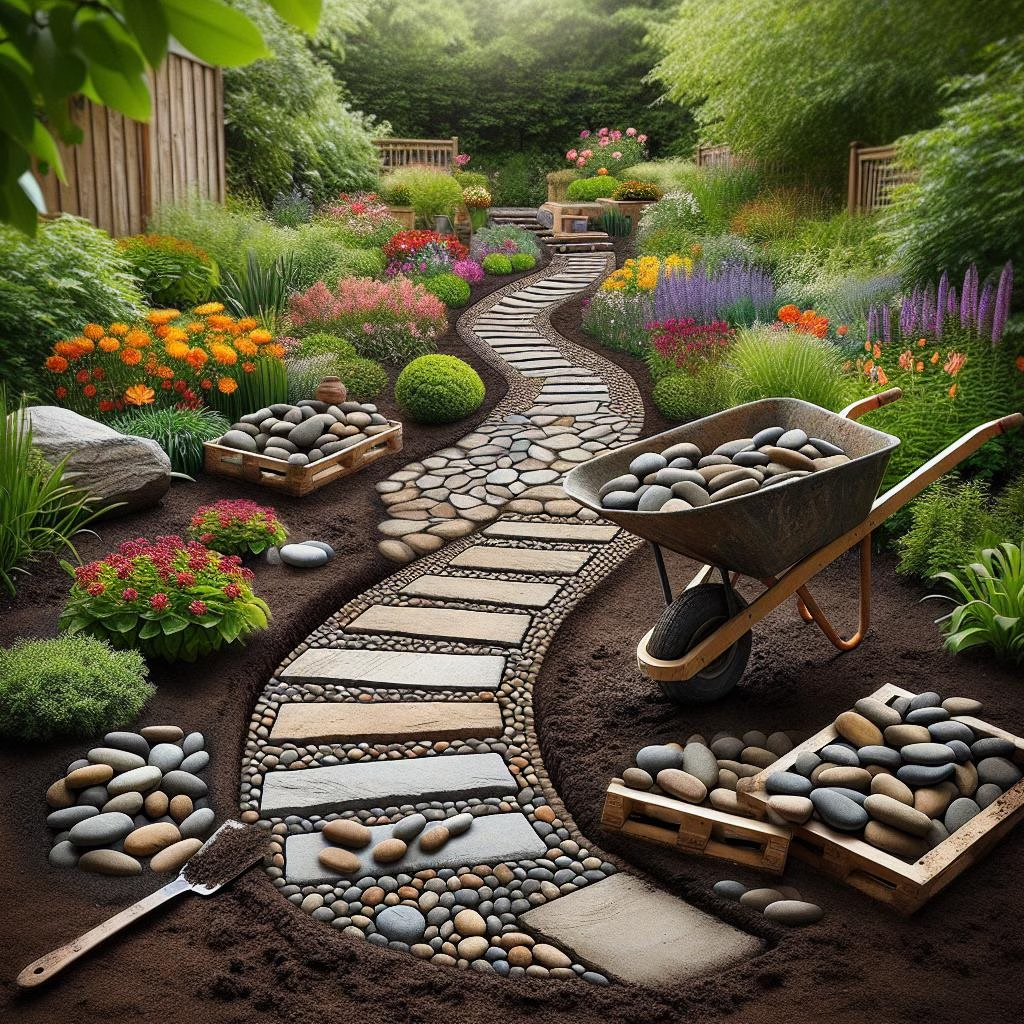
Estimating stone for walls, paths, and landscaping is a crucial first step in crafting unique and inviting spaces, whether you’re planning a tranquil garden path, a sturdy stone wall, or an enchanting garden space. It involves calculating the right amount of materials like stones, bricks, gravel, and cement. This ensures you have enough resources without excessive waste. Both professionals and first-time homeowners rely on these calculations. It not only saves money but also guarantees that your design unfolds smoothly and sustainably. By knowing how much stone you’ll need, you’re setting the groundwork for a beautiful, long-lasting project that blends seamlessly with its natural surroundings.
Understanding Stone Estimation for Landscaping
When you’re planning to add a little rustic charm or solid sophistication to your space, using stone is a top-notch choice. So, what exactly does “How to Estimate Stone for Walls, Paths, and Landscaping” mean? In simple terms, it’s about figuring out the right amount of stone you need for building sturdy garden walls, charming cobbled paths, or even for those lovely landscaping features that transform your outdoors into a serene oasis. Stones are commonly used in home construction, landscaping, and renovation projects because they’re incredibly durable and can endure the elements while maintaining their aesthetic beauty. Moreover, they provide a sense of strength and permanence, adding significant value to any property. However, it’s not all smooth sailing. Some challenges include the potential costs, as stone can be pricey, and the weighty nature of stone, making it tricky and labor-intensive to handle. Despite these hurdles, the stone’s timeless appeal makes it a favorite for many a design enthusiast.How to Estimate Stone Needs?
Proper estimation ensures you have just the right amount of stone, preventing costly over-ordering or frustrating shortfalls. This saves time and resources, creating seamless results that perfectly reflect your design vision. With accurate measurements, you can confidently realize aesthetically pleasing and sustainable landscapes, ensuring both beauty and practicality.To make your stone estimation a breeze, here’s a quick formula for calculating the necessary volume:
Total stone (cubic yards) = (Length (ft) × Width (ft) × Height (ft)) / 27
Stone Estimation Guide
Volume = 0m * 0m * 0m
Volume: 0.00 cubic meters
Key Tips for Estimating Stone for Landscaping Projects
1. Durability: It’s crucial to consider the stone’s resilience as it affects the long-term quality of your project. If underestimated, stones could erode quickly, leading to unexpected repairs or replacements. 2. Cost: Keeping a keen eye on budget estimates is essential. Miscalculating costs could derail your project financially, leaving you scrambling to find additional funds.
3. Sustainability: Choosing eco-friendly stone options helps minimize the environmental impact. Overlooking this could harm both your conscience and the planet.
4. Safety: Ensuring the stone’s texture and placement avoid creating trip hazards is important. An oversight here could lead to injuries and potential legal issues.
5. Size and Quantity: Accurately estimating the size and volume of stone needed is vital. Underestimating can delay projects due to additional orders, while overestimating leads to unnecessary expenses.
6. Stone Type: The specific use for stones determines the type to choose. Using the wrong type could affect functionality and aesthetic appeal.
7. Weather Conditions: Climate impacts the choice of stone. Ignoring this can result in quicker wear and aesthetic degradation.
Practical Tips:
– Measure accurately before ordering stones.
– Account for a 10-15% surplus to cover cutting losses or damages.
– Consult with professionals about ideal stone types for specific uses.
– Consider local stone types to reduce transportation emissions.
Practical Uses for Accurate Stone Estimation
To bring the architectural magic to life, estimating stone correctly is absolutely vital. Here’s how this plays out in different real-world scenarios, from cozy home renovations to grand commercial constructions:- Homeowners planning a backyard revamp with a charming stone path for leisurely strolls.
- DIY enthusiasts crafting a rustic stone wall as a weekend project.
- Architects designing a modern commercial building with elegant stone facades.
- Landscapers enhancing the curb appeal of a property with luxurious stone features.
- Contractors overseeing a multi-layered community space featuring intricate stonework.
- Eco-friendly developments integrating locally sourced stone for reduced carbon footprint.
- Designers brainstorming with clients on bespoke stone installations for unique spaces.
Using quality sealants for waterproofing and joint protection not only boosts safety by preventing structural damage but also can save costs by reducing the need for frequent repairs. This ensures durability and peace of mind.
A Solid Ending to Estimation
When it comes to building with reinforced concrete, the secret to success lies in meticulous planning and accurate calculations. By evaluating the amount of rebar needed precisely, you ensure durability and structural integrity, contributing to a smoother project.Worried about managing it all? Fear not! With the right tools and expertise, you can transform complexities into straightforward solutions. Don’t let uncertainty weigh you down—embrace forward-thinking design and start your project on the right foot.
Discover how Earthsarc can guide you through this process and help turn your dream spaces into reality today!