
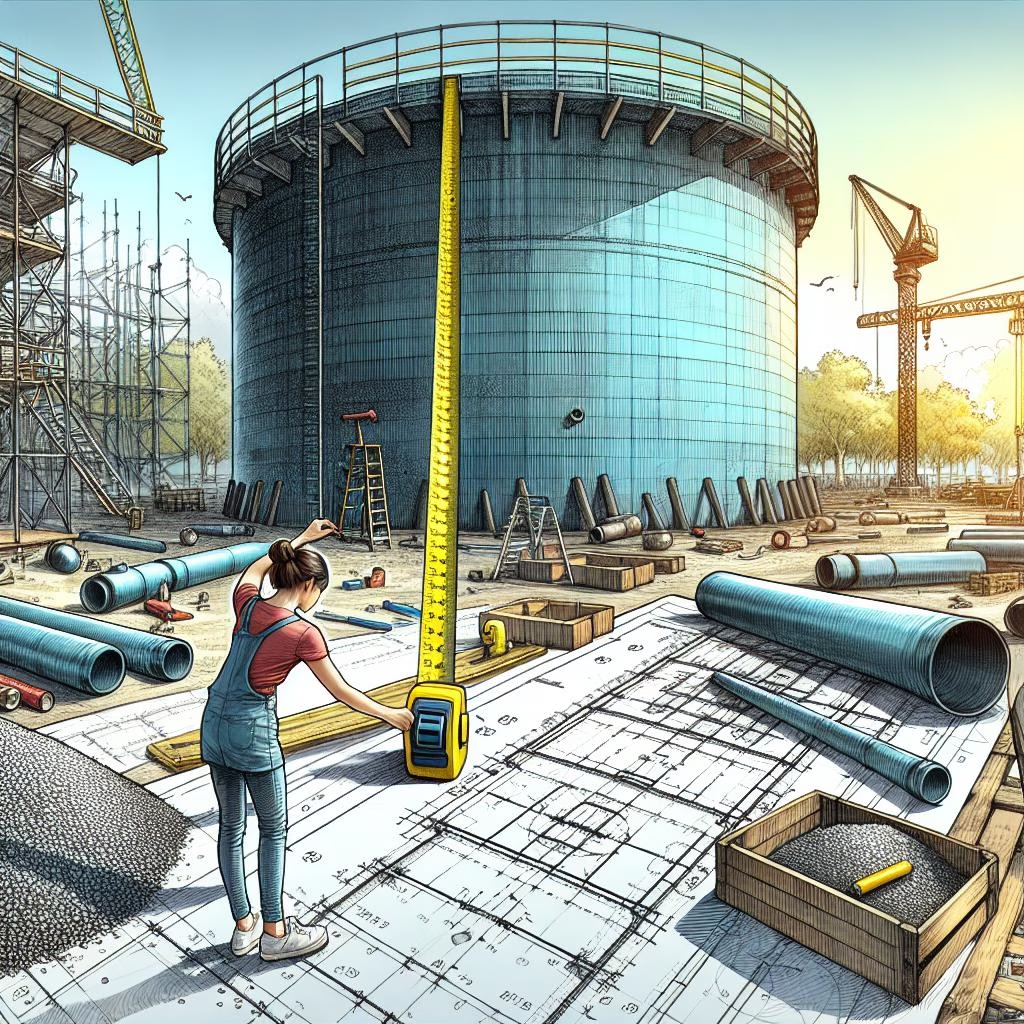
When it comes to building a home, an office, or even a cozy weekend getaway, estimating tank volume for water storage is essential. This involves calculating the capacity of the tanks—often made from cement, brick, or even gravel—that will store water for your construction and daily needs. Such meticulous planning ensures that you’ll have enough water supply, whether for drinking, cleaning, or irrigation. Both professionals and homeowners rely on precise estimates to create efficient and sustainable water storage solutions. Understanding the size and type of the tank that’s best suited for your project can make all the difference in lifestyle and environmental impact. It’s a foundational step that supports every other aspect of your living space.
Understanding Water Storage and Construction Needs
Estimating tank volume for water storage and construction needs is all about figuring out how much water you can safely store in a tank, and how big that tank needs to be based on your specific requirements.Typically used in home construction, landscaping projects, or during renovations, these estimations ensure that you have enough water to meet your daily needs or to maintain that lush garden of your dreams.
The advantages? Start with durability—most tanks are made from materials that can stand the test of time. Additionally, they offer aesthetic appeal; a well-chosen tank can actually enhance the look of your space. Plus, they provide the strength needed to hold large volumes of water securely.
However, it’s not all straightforward. The costs can add up, making this a significant investment. Furthermore, tanks can be heavy, requiring careful handling during installation. Despite these challenges, the benefits often outweigh the drawbacks, making them a worthy addition to many projects.
How to Estimate Your Tank Volume Needs?
In estimating tank volume for water storage and construction needs, accuracy is key. Proper estimation ensures you have the right capacity for everyday use, avoids costly overbuilds, and meets environmental regulations. It’s all about getting the balance just right to support sustainable architecture and efficient resource management. If you’re passionate about bringing practicality and sustainability to your construction project, knowing how to estimate tank volume is key. Whether you’re sprucing up a cozy home or managing a grand commercial venture, this formula will help you calculate capacity efficiently:
Volume (litres) = Length (m) × Width (m) × Depth (m) × 1000Tank Volume Calculator
Volume = π * (diameter/2)² * height
Volume: 0.00 cubic meters
Key Insights on Estimating Water Tank Volume
- Capacity Requirements: Understand the volume necessary to meet daily water demands. Underestimation can lead to water shortages.
- Material Durability: Choose materials that withstand local climate conditions to avoid leaks or structural failures.
- Cost Efficiency: Balance upfront costs with long-term savings. A miscalculation can escalate project expenses.
- Sustainability: Prioritize eco-friendly materials to minimize environmental impact and support sustainable practices.
- Safety Regulations: Ensure compliance with local building codes and standards to prevent safety hazards and legal issues.
- Maintenance Needs: Consider ease of maintenance so that your tank remains functional over time.
– Begin with detailed measurements and consider future water requirements.
– Engage with professionals who specialize in tank construction to guide you effectively.
– Incorporate smart technology for water conservation and monitoring.
– Regularly inspect and maintain your tank to avert emergencies.
Calculating Water Storage: Practical Applications Uncovered
Real-world scenarios where ‘Estimating Tank Volume for Water Storage and Construction Needs’ is absolutely critical can shine a light on how intertwined design and functionality truly are in our everyday spaces.- Planning a kitchen renovation with a sleek, under-sink water tank.
- Designing a commercial office with eco-conscious water storage solutions.
- Creating sustainable answers through landscaping projects with rainwater collection systems.
- Implementing backyard DIY projects with artistic water features.
- Developing an urban garden with integrated irrigation tanks.
- Constructing residential buildings with comprehensive water conservation plans.
Using quality sealants for waterproofing and joint protection not only boosts safety by preventing structural damage but also can save costs by reducing the need for frequent repairs. This ensures durability and peace of mind.
Final Thoughts on Tank Volume
When it comes to building with reinforced concrete, the secret to success lies in meticulous planning and accurate calculations. By evaluating the amount of rebar needed precisely, you ensure durability and structural integrity, contributing to a smoother project.Worried about managing it all? Fear not! With the right tools and expertise, you can transform complexities into straightforward solutions. Don’t let uncertainty weigh you down—embrace forward-thinking design and start your project on the right foot.
Discover how Earthsarc can guide you through this process and help turn your dream spaces into reality today!