
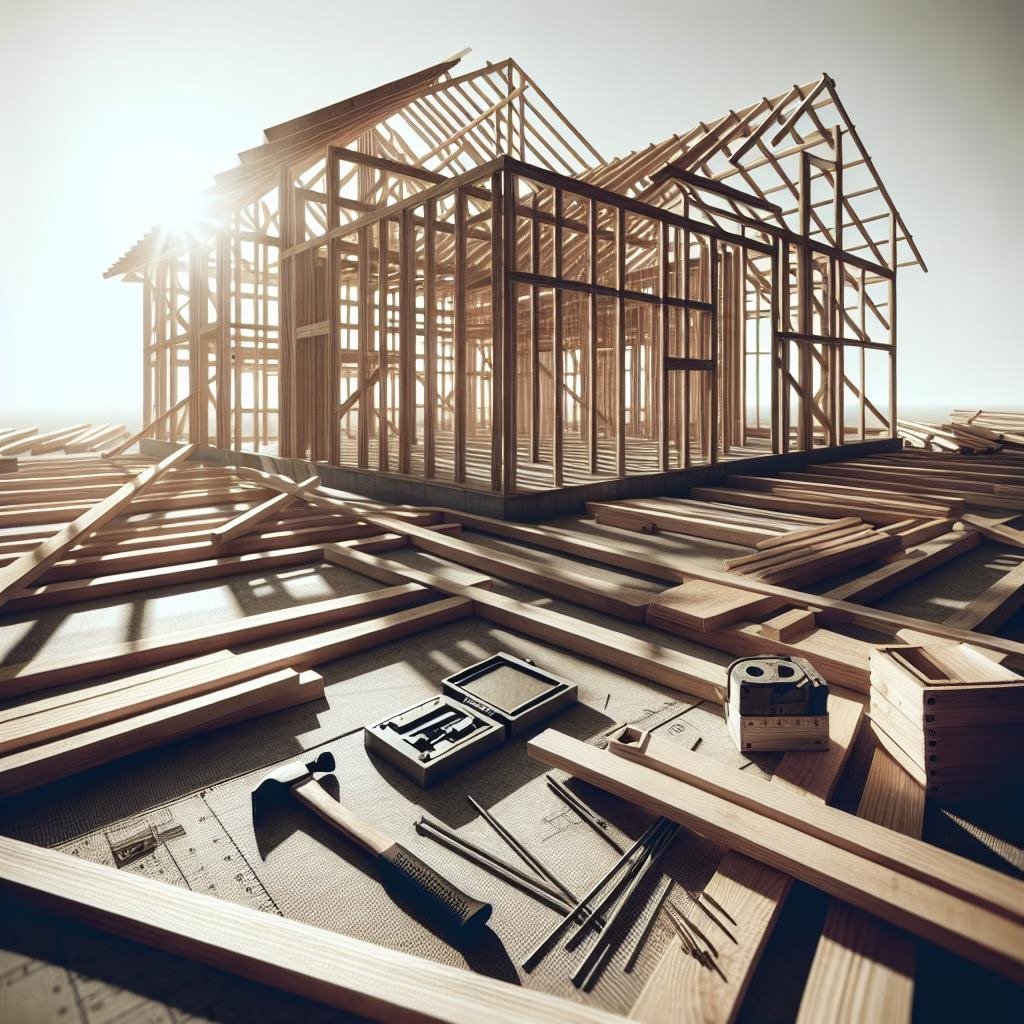
In the world of construction, wood beams play an essential role in providing strength and stability to structures. Understanding the “maximum span of wood beams” means knowing how far a beam can stretch between supports without bending or losing its integrity. This knowledge is crucial not only for architects and builders but also for homeowners planning renovations or new projects. It ensures safety, efficiency, and beauty when designing spaces, whether crafting a loft or supporting a deck. By navigating beam spans wisely, you guarantee not just a tasteful aesthetic, but also reliable and enduring structural support, giving your home or project the backbone it needs to stand tall and proud.
Understanding Wood Beam Spans in Construction
When we talk about “Determining the Maximum Span of Wood Beams in Construction”, we’re diving into how far a wooden beam can stretch between supports without sagging or breaking. This concept is essential in building sturdy homes, crafting beautiful landscapes, and even during those exciting renovation projects.Wood beams are often praised for their durability, which means they can last a long time, making them a wise choice for many projects. Moreover, they add a timeless aesthetic appeal that’s hard to match; who doesn’t love the warm, inviting look of natural wood? Their strength is another bonus, supporting heavy loads with grace.
However, it’s not all smooth sailing. The cost of quality wood can add up, and their weight makes them tricky to handle without the proper equipment. So, while they offer great benefits, it’s important to balance these advantages with the challenges they present.
How to Estimate Wood Beam Lengths?
Estimating the maximum span of wood beams is crucial because it ensures structural integrity and safety in construction projects. Accurate calculations prevent potential collapse, reduce costs by optimising materials, and guarantee design longevity. Moreover, it aligns with building codes, offering peace of mind to architects, builders, and clients alike.Choosing the right wood beam for your construction project? Here’s a delightfully simple formula to guide you in determining the maximum span:
Span (feet) = (Depth of Beam (inches) x 1.5) + Load Factor Adjustment
Wood Beam Span Calculator
Max Load = 0m * 0kN
Max Load: 0.00 kN
Key Insights on Wood Beam Span Construction
- Material Strength: Choose the right species of wood, such as Douglas fir or Southern pine, which are known for their strength. Missteps here can lead to structural failures.
- Load-Bearing Capacity: Ensure beams can handle the expected load to prevent sagging or collapse. A common miscalculation is underestimating the weight, leading to instability.
- Span Length: Accurately measure the distance beams need to span; overestimating can increase costs and underestimating jeopardizes safety.
- Sustainability: Opt for eco-friendly options like reclaimed wood to minimize environmental impact. Overlooking this can affect eco-credentials.
- Cost: Balance quality and budget. Inaccurate cost evaluations could spike project expenses unexpectedly.
- Compliance with Building Codes: Adhere to local regulations for safety and reliability. Ignoring codes can result in costly penalties and jeopardize user safety.
- Installation Expertise: Skilled professionals are vital to proper installation. Quick fixes by inexperienced hands often lead to future repair costs.
Now for some practical tips: Always double-check measurements, use software for precise calculations, consult experts on material choices, and, importantly, never compromise on safety standards to cut costs. Taking these steps can provide peace of mind and an enduring structure.
“Practical Applications of Wood Beam Span Calculations”
- Home Renovation: When opening up a living room space for a better flow, determining the maximum span of wood beams ensures walls are adequately supported while achieving a modern, spacious look.
- Commercial Construction: Implementing wood beams in large-scale retail spaces requires precise span calculations to maintain safety and structural integrity without compromising on aesthetics.
- Landscaping: Using wooden pergolas or gazebos involves understanding beam spans for creating durable outdoor structures that endure various weather conditions.
- DIY Projects: For personal projects like building a backyard balcony, knowing beam spans guarantees that your handiwork stands the test of time.
- Timber Frameworks: In constructing timber homes, defining the span of wood beams is vital for energy efficiency and sustainable design, offering both beauty and function.
- Educational Institutions: In schools or universities, spanning large lecture halls with wood beams provides not only functionality but also acoustic benefits in an eco-friendly manner.
- Residential Roofing: Choosing the right wood beam span in roofing ensures lasting stability and aesthetically pleasing finish without overbearing the building.
Using quality sealants for waterproofing and joint protection not only boosts safety by preventing structural damage but also can save costs by reducing the need for frequent repairs. This ensures durability and peace of mind.
Conclusion on Wood Beam Spans
When it comes to building with reinforced concrete, the secret to success lies in meticulous planning and accurate calculations. By evaluating the amount of rebar needed precisely, you ensure durability and structural integrity, contributing to a smoother project.Worried about managing it all? Fear not! With the right tools and expertise, you can transform complexities into straightforward solutions. Don’t let uncertainty weigh you down—embrace forward-thinking design and start your project on the right foot.
Discover how Earthsarc can guide you through this process and help turn your dream spaces into reality today!