
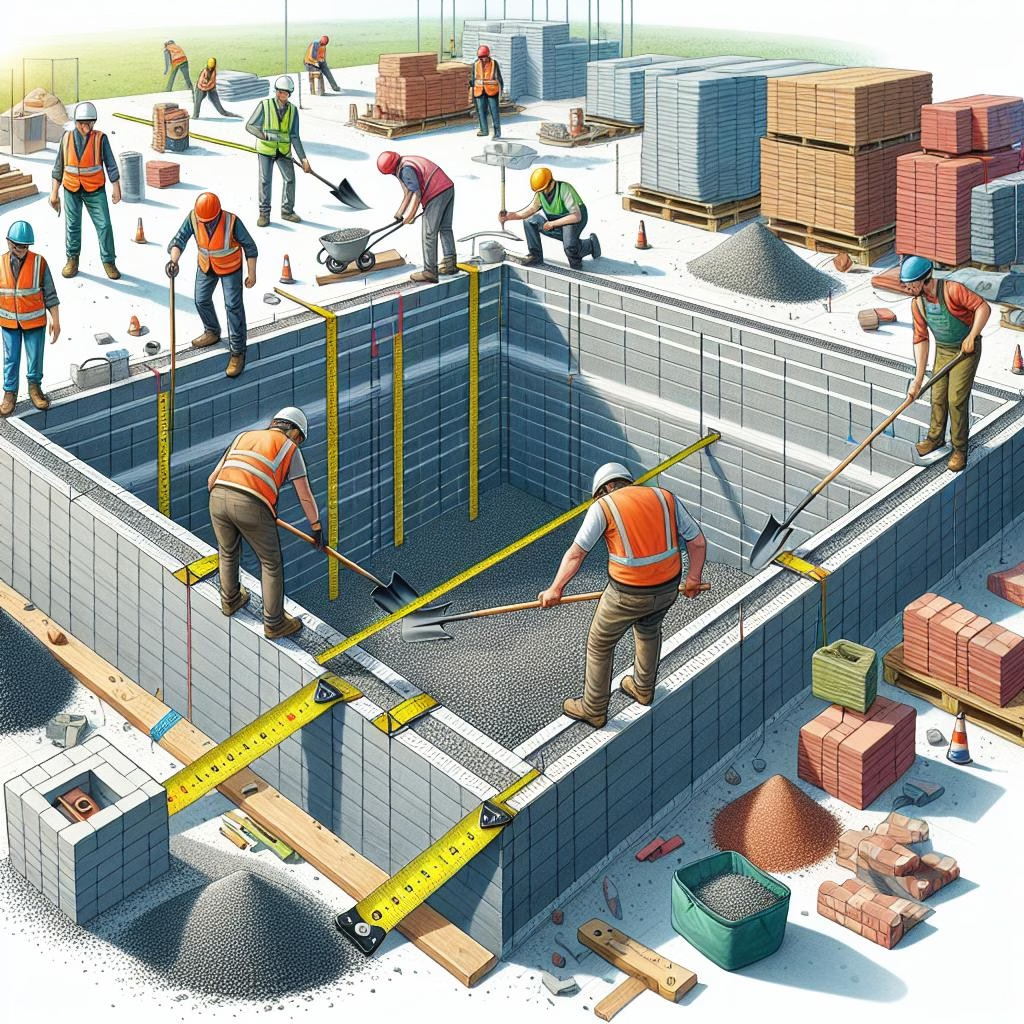
Understanding “Converting Square Feet to Cubic Yards in Real Projects” is crucial for anyone involved in construction or home renovation. Whether you’re laying down cement for a new driveway, building brick walls, or spreading gravel in your garden, knowing how to make these conversions ensures accuracy in materials estimation. This knowledge helps avoid wastage and saves money while ensuring the project runs smoothly. For both seasoned professionals and enthusiastic homeowners, mastering this conversion means you can confidently tackle projects with a strong foundation. Ready to dive into the world of construction with a smart and savvy insight? Let’s roll up our sleeves and make those plans work like a charm!
Understanding ‘Square Feet to Cubic Yards’
“Converting Square Feet to Cubic Yards in Real Projects” is all about transforming flat spaces into voluminous forms, allowing for precise material estimation in construction projects. Simply put, it’s like figuring out how much material you need for a specific project, whether you’re building a cozy family home, upgrading your dreamy garden, or revamping your favourite hangout spot. Commonly, this conversion is used in home construction, landscaping, and renovation. A major advantage of these conversions is the ability to ensure your projects are durable, aesthetically pleasing, and robust. It allows you to order the exact amount of concrete, soil, or other materials, thereby reducing waste and enhancing efficiency. However, there are challenges like cost considerations, as some materials can be pricey. Additionally, the weight and handling of such materials can sometimes be tricky. But fear not, with the right planning, these challenges can be easily managed!How to Estimate Space in Cubic Yards?
Accurate estimation is crucial when converting square feet to cubic yards in real projects to prevent material wastage and manage costs efficiently. By doing so, projects stay on budget, resources are optimized, and timelines are respected—ensuring a smooth process from concept to completion. Embarking on the adventure of converting square feet to cubic yards can initially seem like deciphering an ancient language. However, armed with the right formula, it turns into a simple affair. By comprehending the calculation, you can master the art and get the most out of your construction projects. For those of you who cherish efficiency and precision, here’s a neat formula to bookmark:
Cubic Yards = (Square Feet × Depth in Feet) ÷ 27Square Feet to Cubic Yards Calculator
Cubic Yards = 0 ft * 0 ft * 0 in / 324
Cubic Yards: 0.00
Key Insights on Square Feet to Cubic Yards Conversion
Understanding how to convert square feet to cubic yards in real projects is key for achieving success. Here’s a list of major factors you should consider:- Durability: Ensure the materials measured will endure the test of time and handle usage demands gracefully. An underestimation might lead to premature wear and tear.
- Cost: Calculating correctly can help control budgets effectively. Missteps might result in unnecessary expenses or shortages.
- Sustainability: Opt for eco-friendly choices by precisely measuring sustainable materials; it’s kinder to both the environment and your wallet.
- Safety: Accurate measurements ensure stability and safety, avoiding potential hazards that arise from structural weaknesses.
- Spatial Efficiency: Make sure materials fit seamlessly into the allocated space, avoiding unnecessary waste or cramped spaces.
- Aesthetic Balance: Proportionate measurements help maintain visual harmony.
- Logistics: Accurate calculations simplify project management by aiding in planning delivery and storage needs.
Real-Life Uses of Converting Square Feet to Cubic Yards
- During a home renovation, calculating the volume of materials like concrete or soil is vital for an accurate estimate.
- In commercial construction, understanding the volume of fill material needed prevents costly over-purchasing, saving resources and expenses.
- For landscaping projects, determining how much soil or mulch is required helps maintain budget and ensures complete coverage.
- While building a new deck, knowing how much concrete is needed for footings ensures structural stability without excess waste.
- In environmental projects, assessing the volume of earth to be moved is crucial to minimize impact on ecosystems.
- Concrete contractors need precise calculations to provide accurate quotes and maintain profitability.
- Homeowners undertaking DIY projects can benefit by avoiding the frustration of multiple trips to the store by estimating correctly.
Using quality sealants for waterproofing and joint protection not only boosts safety by preventing structural damage but also can save costs by reducing the need for frequent repairs. This ensures durability and peace of mind.
Conclusion of Real Project Conversions
When it comes to building with reinforced concrete, the secret to success lies in meticulous planning and accurate calculations. By evaluating the amount of rebar needed precisely, you ensure durability and structural integrity, contributing to a smoother project.Worried about managing it all? Fear not! With the right tools and expertise, you can transform complexities into straightforward solutions. Don’t let uncertainty weigh you down—embrace forward-thinking design and start your project on the right foot.
Discover how Earthsarc can guide you through this process and help turn your dream spaces into reality today!