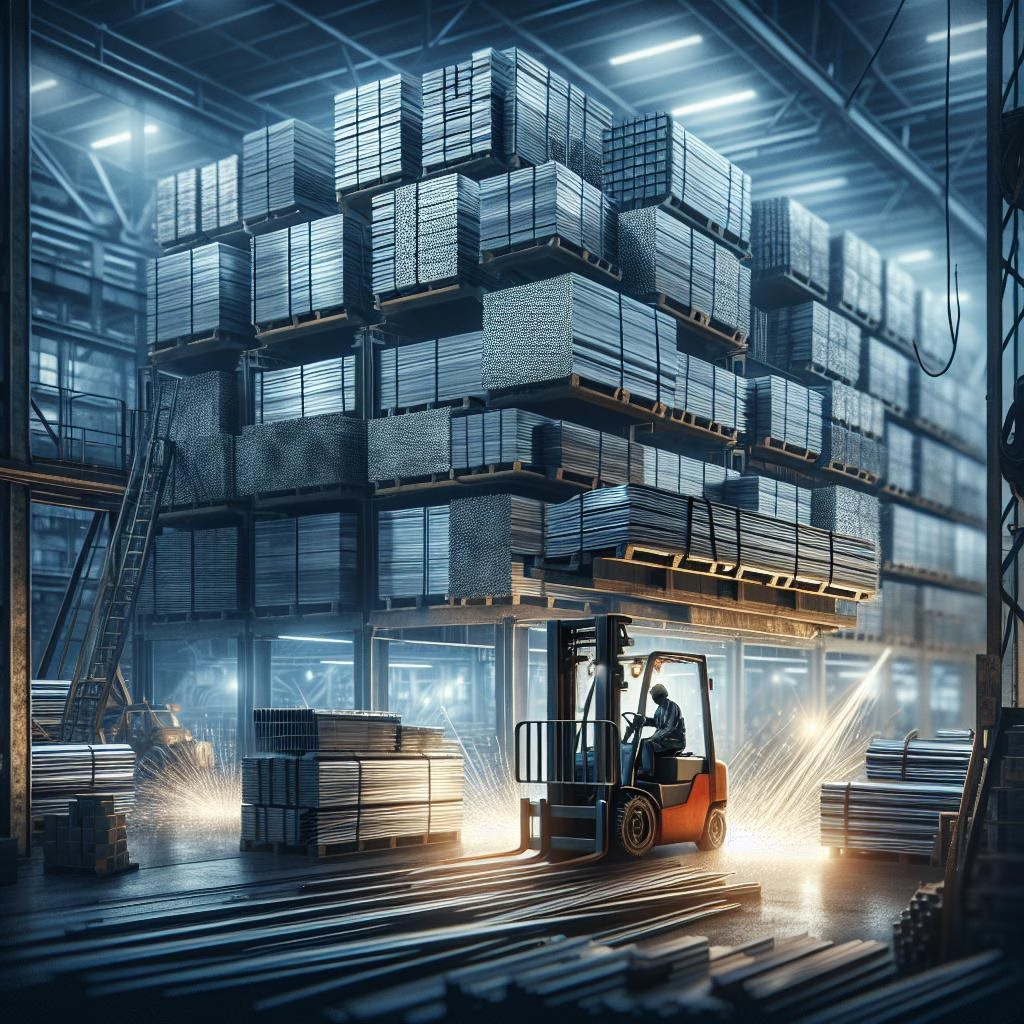
When it comes to building a dream space, choosing the right materials is crucial—particularly when it comes to metal. Imagine the invisible strength holding everything together—this is where metal steals the spotlight. From the beams in your home to the delicate fixtures in your bathroom, selecting the appropriate metal can impact not only how your space looks but also how it functions. The weight and type of metal are key to ensuring stability and aesthetic charm. Construction professionals and keen homeowners alike need to understand why weight matters and how to balance practicality with beauty. This helps them feel empowered to build sturdy, attractive, and long-lasting structures with confidence and style.
Understanding Metal Choices and Their Effects
Choosing the right metal in construction and design is like picking the perfect ingredient from a spice rack. It’s all about understanding material weight and its impact on your project. Metals play a starring role in home construction, landscaping, and renovation projects. They’re loved for their durability, modern aesthetics, and incredible strength—perfect for crafting the skeleton of a building or adding stylish railings to a staircase.However, not all that glitters is free from challenges. Some metals can be costly, and their substantial weight can make handling and installation a bit of a workout. Yet, despite these challenges, the advantages of selecting the right metal often outweigh the drawbacks, making it essential to know which type best suits your needs. A little bit of savvy metal knowledge can elevate your project to whole new levels of architectural brilliance.
How Do You Estimate Metal Needs?
Estimating metal weight is crucial for choosing the right material, as it affects structural integrity, aesthetic impact, and budget considerations. Understanding these factors ensures the selected metal perfectly balances function, beauty, and cost, resulting in efficient and stunning architectural designs.
Metal Weight (kg) = Volume (m³) × Density (kg/m³)
Metal Weight Calculation
Weight = 0g/cm³ * 0 cm³
Weight: 0.00 kg
Key Insights on Choosing Metals and Material Weight
When diving into the world of metal selection for your design project, here’s a handy list of major factors to consider:1. Durability: Metals like steel offer incredible strength, but overlooking durability might result in frequent maintenance or repairs.
2. Cost: The budget is crucial; balancing between cost-effective metals and premium choices can be tricky. Misjudging this could strain your finances.
3. Sustainability: Eco-friendly metals, such as recycled aluminium, help reduce your carbon footprint. Overlooking sustainability impacts the environment.
4. Aesthetic Appeal: The right metal enhances your design’s look. Choosing wrongly might clash with your overall style.
5. Weight: Metal weight affects structural integrity. Miscalculation here threatens the safety and stability of your project.
6. Safety: Ensure metals are non-toxic to avoid health risks. Missing safety checks can lead to long-term issues.
7. Corrosion Resistance: Some metals withstand weather better than others; miscalculation lets corrosion creep in prematurely.
For practical tips: Always consult experts for metal weight specifications, invest in quality, be mindful of local climate, and consider future maintenance needs to avoid unforeseen pitfalls.
Practical Applications of Metal Weight Calculations
Exploring real-world scenarios helps us understand just how crucial selecting the right metal is to a successful design or construction project. Here’s where the nitty-gritty of selecting the appropriate metal, based on material weight and its impact, comes into play:- Home Renovation: Updating an old Victorian house may involve choosing lighter metals to avoid stressing the structure.
- Commercial Construction: Building a skyscraper requires careful metal selection for structural integrity and cost-effectiveness.
- Landscaping: Designing a garden structure involves lightweight metals for ease of installation and durability.
- DIY Furniture: Creating custom furniture often benefits from lightweight metals that are easy to handle and shape.
- Art Installations: Using lightweight, sturdy metals facilitates unique, awe-inspiring public art without compromising safety.
- Vehicle Modification: Mechanics prefer lighter metals for parts that don’t compromise vehicle speed or efficiency.
- Renewable Energy Projects: Solar panel mounts benefit from metals that are lightweight yet strong, ensuring stability without excess weight.
Incorporating durable materials like metal not only enhances safety by reducing fire and structural risks but also offers cost-saving advantages through long-lasting resilience, minimizing maintenance, and repair expenses.