
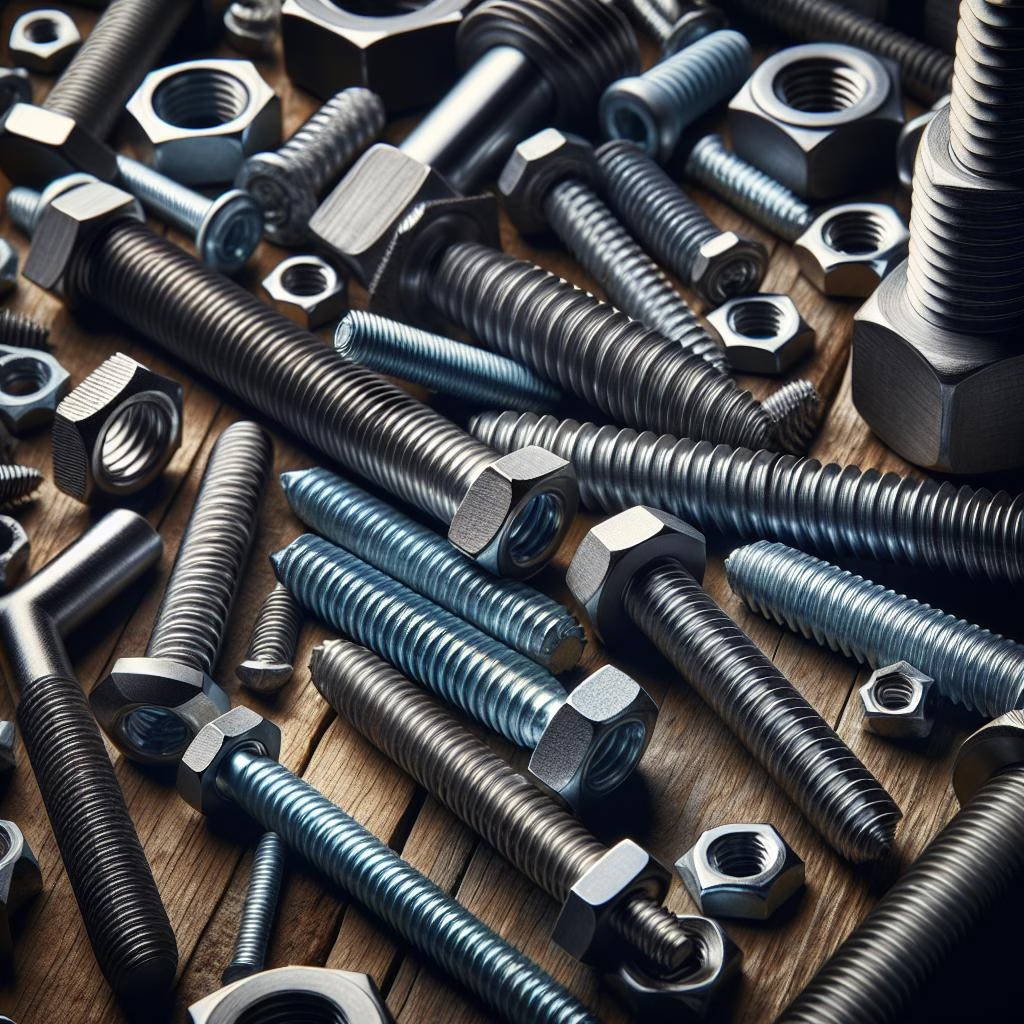
Think about the last time you admired a sleek skyscraper or a snug kitchen cabinet. Well, that’s where fasteners and thread geometry come in! These might sound like heady terms, but they’re simply like the glue and nuts holding the world together. Fasteners refer to screws, bolts, and nuts used in construction and home projects. Their thread geometry is the groove spirals around them, creating that all-important grip. Without these vital components, a structure might not stand tall, or your new shelf could end up in a heap on the floor. Whether you’re a seasoned architect or a weekend DIYer, understanding these basics ensures that everything you build stands the test of time.
Thread Geometry and Fastener Basics Explained
Thread geometry and fasteners might sound technical, but don’t worry; they’re the invisible heroes holding many of our constructions together! In simple terms, thread geometry refers to the design of the spiral threads on screws, bolts, and other fasteners—the bits that twist and hold materials in place. You’ll often find them while working on your home constructions, landscaping, or even during renovation projects. Why are they fantastic? Firstly, their durability means they can withstand quite a bit without giving up. Next, they offer a clean, aesthetic appeal, blending seamlessly into your project. Plus, their strength ensures everything stays as sturdy as a rock. However, they have their little quirks. Fasteners can sometimes be pricey, and their weight might need extra planning to handle, especially in larger quantities. But with careful planning, their advantages usually outweigh these challenges.How to Estimate Fastener Requirements?
In the world of fasteners, accurate estimation of thread geometry is crucial. It determines the fit, strength, and performance of assemblies. Proper estimation ensures that fasteners align perfectly, reducing wear and tear, enhancing efficiency, and maintaining the integrity of the structures they bind together. Small miscalculations can lead to significant structural issues.When designing structures or selecting the perfect fasteners, understanding thread geometry is crucial for ensuring strong connections and structural integrity. Here’s a simple and user-friendly formula to calculate the basic pitch diameter of a thread, which is a key component in thread geometry.
Pitch Diameter (Dp) = Major Diameter (D) - 0.64952 x Pitch (P)
Thread Geometry Calculator
Depth = (Major Diameter – Pitch) / 2
Depth: 0.00 mm
Key Insights into Thread Geometry and Fasteners
- Durability: Selecting the right thread geometry ensures fasteners withstand wear, reducing maintenance. Misjudging this can lead to frequent repairs and increased costs.
- Cost: While some thread choices may initially save money, their long-term implications like maintenance and replacements could be costly. Choose wisely to balance budget with longevity.
- Sustainability: By opting for eco-friendly fasteners adhering to optimal thread geometry, you promote reduced environmental impact. Poor selections impact both nature and brand reputation.
- Safety: Correct-threaded fasteners can prevent structural failures, ensuring safety. Errors in thread size can compromise entire structures, risking both life and property.
- Application-Specific Needs: Always regard the specific application—deciding the most appropriate thread geometry keeps integrity intact.
- Material Compatibility: Mismatched materials can cause corrosion or degradation, compromising fastener functionality. Ensure compatibility in every project.
- Thread Wear: Frequent disassembly can lead to thread wear. Choose durable materials and designs to manage this risk effectively.
– Regularly check thread compatibility during revisions.
– Educate your team on the significance of precise thread selection.
Real-Life Uses of Thread Geometry in Design
Thread geometry and fasteners are the unsung heroes in many construction projects, yet their role is often overlooked. Here are some real-life scenarios where they are particularly critical:- During a home renovation to smoothly attach new cabinets and shelves, ensuring they remain secure and stable for years.
- In commercial construction, using fasteners with precise thread geometry to connect steel beams, contributing to the building’s overall structural integrity.
- While designing a landscaped garden, implementing anchoring systems that use specialized fasteners to hold large botanical installations in place.
- For DIY furniture projects where custom fasteners provide essential support without sacrificing aesthetic value.
- In automotive repairs, using fasteners with accurate thread geometry to keep critical engine parts together, ensuring safety and reliability.
- In electronics manufacturing, employing tiny fasteners with exact thread specifications to secure delicate components without damaging them.
Using quality sealants for waterproofing and joint protection not only boosts safety by preventing structural damage but also can save costs by reducing the need for frequent repairs. This ensures durability and peace of mind.
Wrapping It All Up
When it comes to building with reinforced concrete, the secret to success lies in meticulous planning and accurate calculations. By evaluating the amount of rebar needed precisely, you ensure durability and structural integrity, contributing to a smoother project.Worried about managing it all? Fear not! With the right tools and expertise, you can transform complexities into straightforward solutions. Don’t let uncertainty weigh you down—embrace forward-thinking design and start your project on the right foot.
Discover how Earthsarc can guide you through this process and help turn your dream spaces into reality today!