
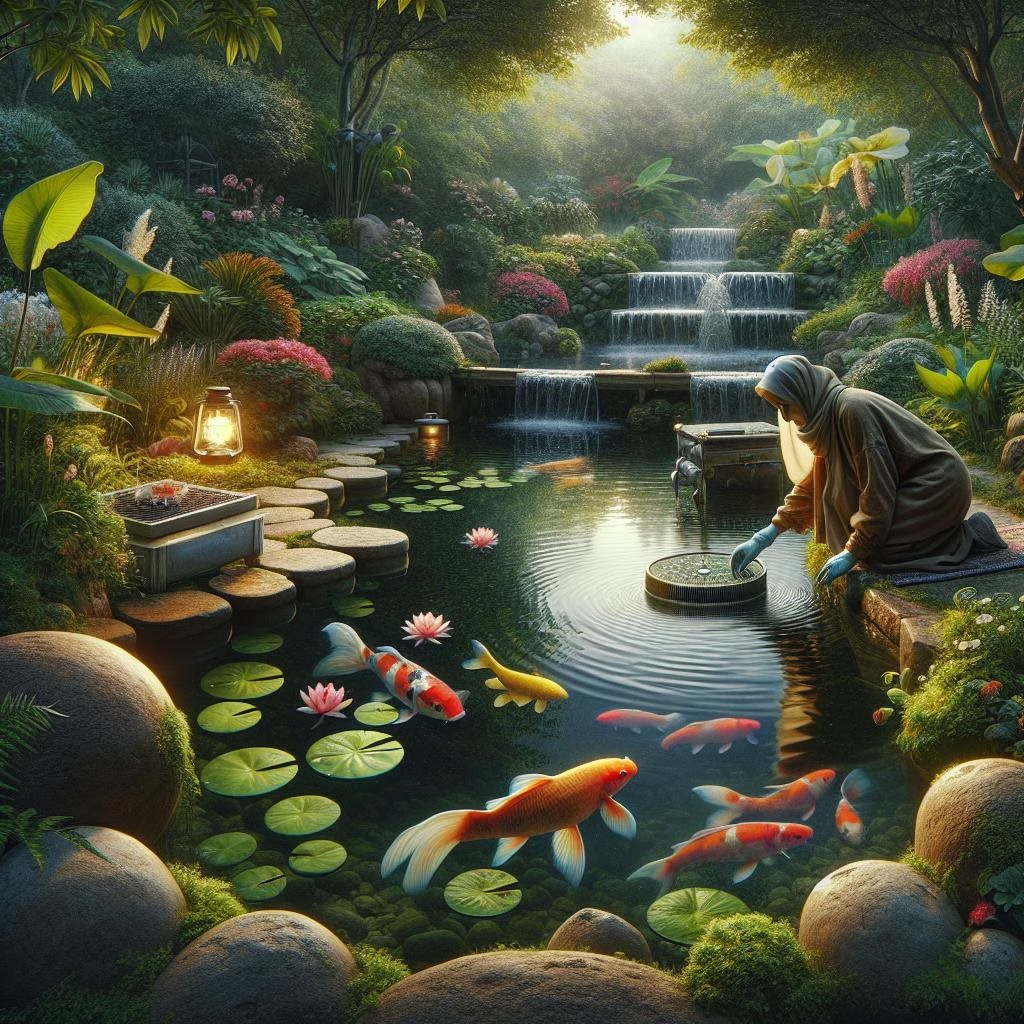
Designing and maintaining a pond can be an enchanting journey, blending art and nature into one delightful backyard spectacle. Using materials like cement, brick, and gravel, these serene water features enhance the beauty of any space, making it a favorite for both professionals and homeowners. But, why does it matter? Well, a well-crafted pond isn’t just a decorative piece—it’s a thriving habitat that nurtures biodiversity while soothing the soul. As many discover, understanding the key factors—such as choosing the right location, maintaining water quality, and selecting suitable aquatic plants—transforms ponds into sustainable ecosystems. Once the foundational details are in place, each ripple becomes a signature of creativity and harmony.
Understanding Key Pond Design Factors
Designing and maintaining a pond isn’t just an aesthetic choice; it’s a blend of art and science that brings life to any space. At its core, the key factors include selecting the right location, determining the ideal size and depth, using appropriate materials, and ensuring a balanced ecosystem. Ponds are commonly used in home construction, landscaping, and renovation projects to boost beauty, tranquility, and biodiversity.Advantages of having a pond go beyond mere aesthetics. It adds a touch of elegance and a serene atmosphere while also being durable and strong. On the flip side, challenges like cost, weight, and handling need careful consideration. Ponds can be an investment, both financially and in terms of maintenance, but with the right design, they are a splendid contribution to any home or garden.
How to Estimate Pond Design Needs?
Estimation in pond design is crucial as it helps determine the necessary resources, time, and cost involved. Accurate predictions ensure the project stays on track and within budget, allowing space for features like native plants or wildlife habitats. Ultimately, thorough estimation leads to a more successful and sustainable pond environment.Creating a pond in your garden is not only a delightful way to connect with nature, but it also significantly increases your property’s biodiversity. To successfully design and maintain a pond, it’s vital to balance its dimensions and water capacity. Here’s a simple formula that can help you calculate the volume of your pond for proper construction and maintenance planning.
Volume (in liters) = Length (m) x Width (m) x Depth (m) x 1000Pond Design Calculator
Volume = 0m * 1 m²
Volume: 0.00 m³
Essential Insights for Designing and Maintaining Your Pond
Designing and maintaining a pond can be a rewarding experience, providing tranquility and beauty to your outdoor space. However, to ensure success, it’s crucial to keep several key factors in mind. Here’s what you need to consider:1. Durability: Choosing materials that can withstand weather changes is essential. Neglecting this can lead to costly repairs and maintenance.
2. Cost: Overlooking initial costs for quality equipment may result in hidden expenses. You might find yourself paying double to fix unforeseen issues.
3. Sustainability: Integrate eco-friendly practices and materials like solar-powered pumps. A lack of focus here can harm local wildlife and increase carbon footprints.
4. Safety: Install non-slip surfaces and secure edges, particularly if you have small children or pets. Ignoring safety can result in accidents.
5. Size: Proper planning regarding the pond’s size is crucial. Too small or too large can disrupt harmony with your landscape.
6. Location: Strategic placement affects maintenance needs and sun exposure. Poor location choice may increase algae growth.
7. Water Quality: Maintaining clean water is vital for healthy pond life. Skimping here can attract pests and promote disease.
Make sure to estimate accurately and act thoughtfully to enjoy a seamless pond experience!
Designing and Maintaining a Pond: Real-Life Strategies
Creating a pond is not just about digging a hole and adding water. It’s a canvas waiting to be brought to life. Let’s explore some real-world scenarios where understanding ‘Key Factors in Designing and Maintaining a Pond’ is absolutely crucial.- During a home renovation, a pond can become a serene focal point that enhances the overall aesthetic of your garden.
- In commercial construction, integrating a pond can add to a building’s eco-friendly credentials, attracting nature and positivity.
- Landscaping a public park requires thoughtful pond design to balance beauty with biodiversity, encouraging community well-being.
- When redesigning a schoolyard, a pond can serve as an educational resource, sparking curiosity and learning among children.
- DIY garden projects benefit from ponds as they offer a personal retreat that’s both economical and nurturing.
- In rooftop gardens, a small pond can cool the environment and reduce urban heat, transforming spaces into urban oases.
- Hotel resorts often use ponds to elevate guest experiences, providing tranquil settings for relaxation and leisure.
Using quality sealants for waterproofing and joint protection not only boosts safety by preventing structural damage but also can save costs by reducing the need for frequent repairs. This ensures durability and peace of mind.
Creating Your Perfect Pond
When it comes to building with reinforced concrete, the secret to success lies in meticulous planning and accurate calculations. By evaluating the amount of rebar needed precisely, you ensure durability and structural integrity, contributing to a smoother project.Worried about managing it all? Fear not! With the right tools and expertise, you can transform complexities into straightforward solutions. Don’t let uncertainty weigh you down—embrace forward-thinking design and start your project on the right foot.
Discover how Earthsarc can guide you through this process and help turn your dream spaces into reality today!