
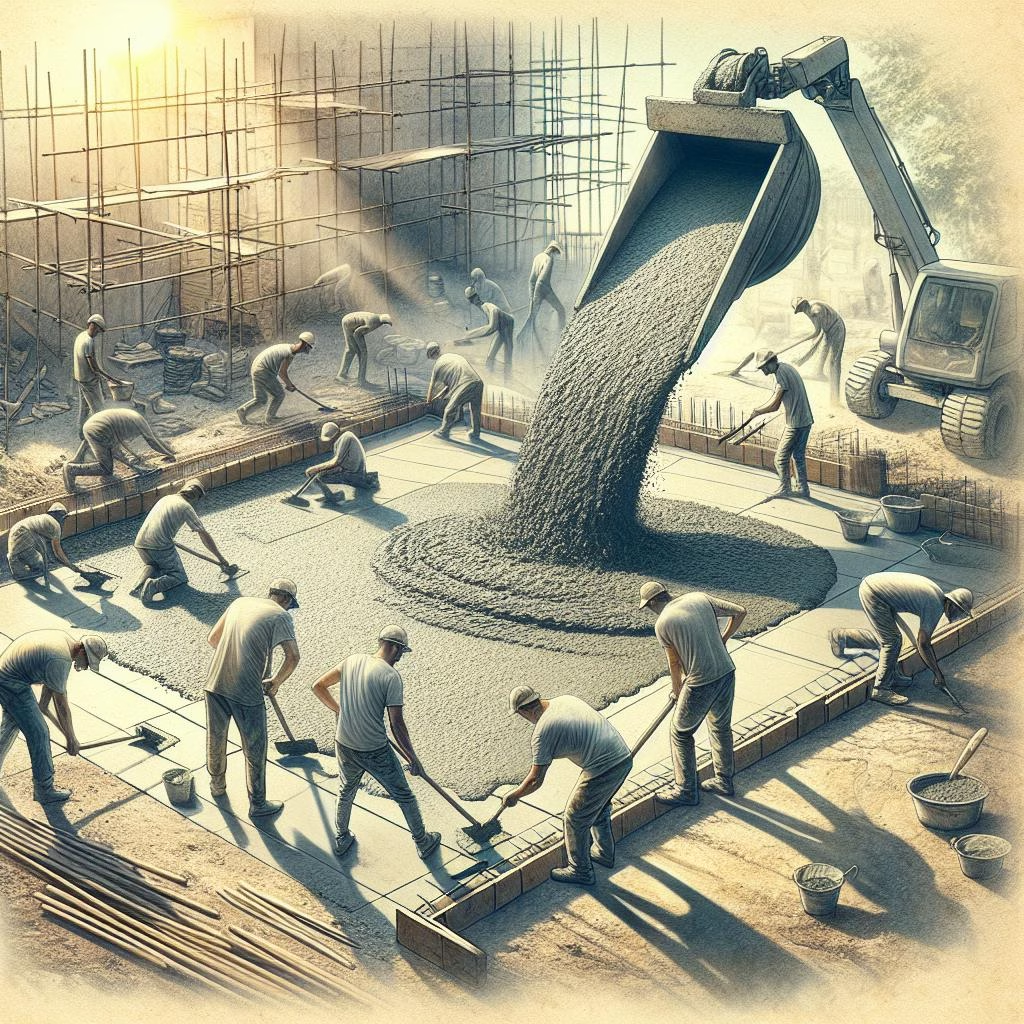
When planning your dream driveway, understanding the factors that influence the cost of a concrete driveway can save you from budget surprises. A concrete driveway, made from materials like cement, gravel, and sand, offers durability and a sleek finish—perfect for enhancing modern home aesthetics. Pros and homeowners both value its longevity and minimal upkeep. That said, costs can vary based on factors like material quality, regional pricing fluctuations, labor rates, and customization needs. By considering these elements, you’ll not only achieve a personal touch that reflects your style but also a cost-effective solution that stands the test of time. So, buckle up for a journey into the world of concrete driveways!
Key Elements Impacting Concrete Driveway Costs
When you’re considering laying down a concrete driveway, it’s important to understand the range of factors that can influence its cost. In simple terms, the cost is affected by the size of the driveway, the thickness of the concrete, the type of finish you choose, and local labor charges. Concrete driveways are a fantastic option for home construction, landscaping, and renovations. They offer impressive durability, keeping your entrance looking fabulous for decades. Concrete is also aesthetically pleasing, blending strength with the ability to mold into various styles and finishes. However, challenges do exist. The initial cost can be higher than other materials, and the weight of concrete means it requires skilled handling and proper equipment. But rest assured, the long-term benefits often outweigh the upfront costs. Armed with the right knowledge, your concrete driveway can be the crowning glory of your home.How Do Concrete Driveway Costs Vary?
Estimating the factors that influence the cost of a concrete driveway is crucial because it helps homeowners budget effectively, anticipate potential expenses, and make informed decisions about materials and design. This foresight ensures the project aligns with financial expectations while achieving the desired aesthetic and durability for the space.
Cost = (Square Feet * Regional Cost per Sq Ft) +
(Thickness * Thickness Cost per Sq Ft) +
(Design Complexity * Complexity Factor) +
(Labor Costs) +
(Seasonal Adjustments) +
(Discounts and Promotions)
Concrete Driveway Estimator
Volume = 0 m3 Cost = £/₹0.00
Total Cost: £/₹0.00
Key Factors Impacting Concrete Driveway Costs
When planning a concrete driveway, one must carefully consider various factors to ensure functionality and avoid unpleasant surprises later. Let’s explore the most significant aspects: 1. Material Costs: Prices for concrete materials can vary significantly. Misjudging these might lead to budget overruns.2. Labour Charges: Skilled labour is essential. Underestimating these costs could result in inferior workmanship.
3. Driveway Size: Larger driveways are more expensive. Not accounting for this might strain your budget.
4. Thickness of Concrete: Thinner driveways might save costs but compromise on durability. It’s crucial to get this right.
5. Design Complexity: Intricate designs are more costly. Overlooking this can escalate your expenses.
6. Site Preparation: Failing to account for uneven land or soil quality could lead to additional costs.
7. Local Climate: Region-specific requirements can influence driveway longevity and cost.
To navigate these factors smoothly: – Research local material prices to set realistic budgets.
– Hire experienced contractors for quality execution.
– Opt for a sustainable design to lessen environmental impact.
– Plan for future maintenance costs, ensuring long-term affordability.
Real-Life Impact of Driveway Cost Calculations
Let’s dive into some real-world scenarios where understanding the ‘Factors That Influence the Cost of a Concrete Driveway’ truly makes a difference:- Homeowners planning a driveway must consider local material costs due to regional differences.
- In commercial construction, projects require bulk materials, impacting concrete pricing.
- Landscaping companies balance driveway aesthetics with costs to remain within client budgets.
- DIY enthusiasts often face hidden costs when deviating from standard driveway dimensions.
- Architects genuinely focus on design complexity, which can enhance costs while boosting appeal.
- Contractors coordinate labor costs against project timelines to optimize value.
- Developers of eco-friendly spaces adjust their approach based on sustainable material pricing.
By recognizing these factors, homeowners gain a clear perspective on their budget limitations and possibilities for customization. Architects stand to benefit from integrating cost-effective solutions without sacrificing design integrity. Contractors can efficiently allocate resources and time management by understanding labor dynamics. Ultimately, such insights ensure that all parties—from individuals sprucing up their homes to those forging commercial spaces—achieve resourceful and creative results.
Using quality sealants for waterproofing and joint protection not only boosts safety by preventing structural damage but also can save costs by reducing the need for frequent repairs. This ensures durability and peace of mind.
Final Thoughts on Driveway Costs
When it comes to building with reinforced concrete, the secret to success lies in meticulous planning and accurate calculations. By evaluating the amount of rebar needed precisely, you ensure durability and structural integrity, contributing to a smoother project.Worried about managing it all? Fear not! With the right tools and expertise, you can transform complexities into straightforward solutions. Don’t let uncertainty weigh you down—embrace forward-thinking design and start your project on the right foot.
Discover how Earthsarc can guide you through this process and help turn your dream spaces into reality today!