
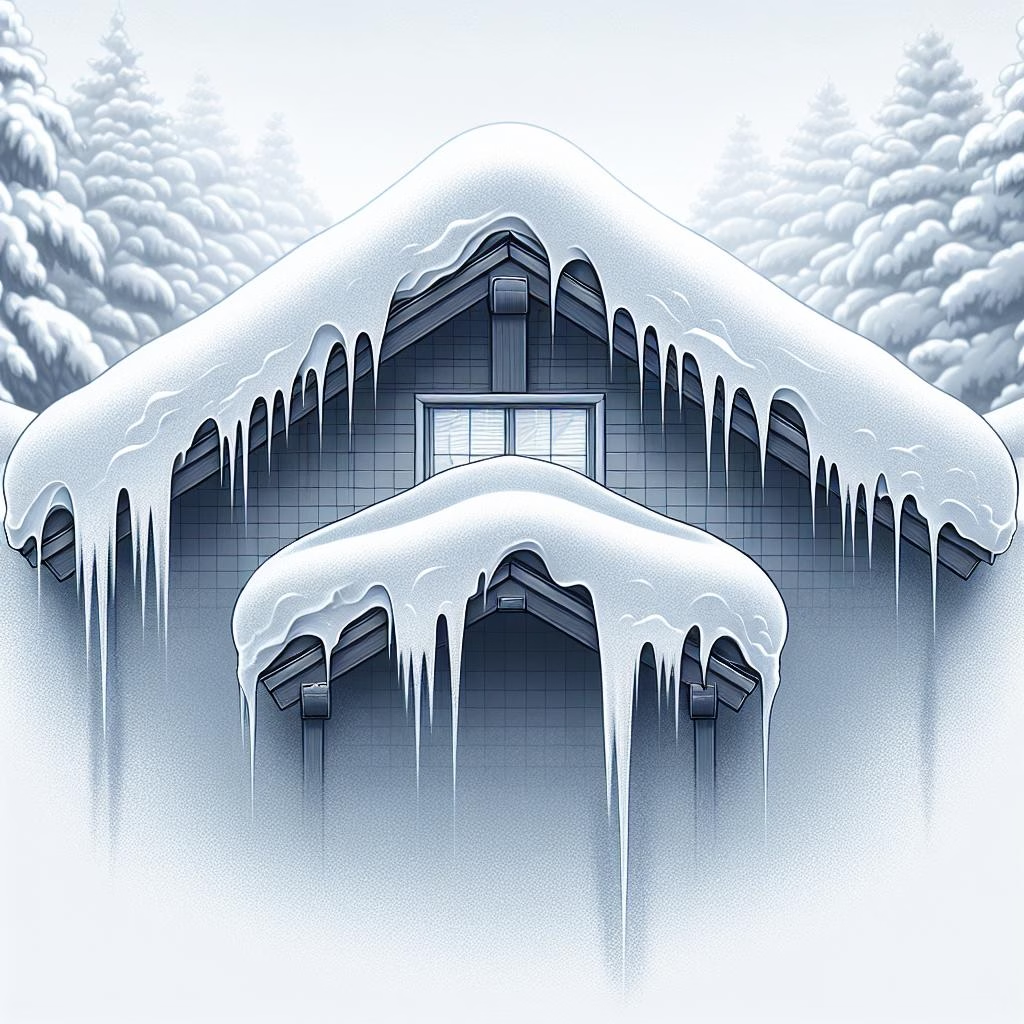
Understanding how to calculate snow load is essential for anyone involved in construction or home projects, especially in areas with heavy snowfall. Snow load refers to the weight of snow accumulating on a roof, which can impact its structure and durability. By calculating this load, you can ensure that your roof is safe, robust, and built to handle the winter elements.
Architects, builders, and even homeowners use this calculation to design roofs that can endure harsh winter weather, preventing potential hazards such as roof collapse or water damage. Taking the time to understand snow load calculations means investing in a safe, sturdy roof, protecting your home and family for years to come.
Understanding Snow Load Calculation Essentials
Snow load calculation is like giving your roof a snug winter coat to handle the weight of snow during chilly months. Essentially, this process determines how much snow your roof can bear without cracking or collapsing—kind of important if you want your cozy haven to stay safe and sound! When constructing a home, planning a landscape, or considering renovations, you’ll find snow load calculations crucial to ensure both safety and longevity. A well-calculated snow load adds to a building’s durability and offers peace of mind, knowing that your roof is both strong and aesthetically pleasing. It keeps your space safe and looks great doing it! On the flip side, this process can be a bit pricier because the right materials and expertise are needed. Furthermore, handling the weight can be tricky, so it’s vital to get everything just right, keeping both safety and style in balance.How to Estimate Snow Load Needs?
Estimating snow load is crucial for ensuring the safety and durability of your roof. By accurately calculating the weight your roof can bear, you prevent structural damage, avoid costly repairs, and ensure the safety of your home, especially during heavy snowfalls. Plus, it contributes to longer-lasting, resilient roofing solutions.To ensure your roof can handle those wintry wonders, use this simple formula:
Snow Load = PG × Cfg × Is
Where:
PG = Ground snow load
Cfg = Roof snow load factor
Is = Snow importance factorSnow Load Calculation Tool
Snow Load = 0 inches * 1 m² * 0.62 kg/m²
Snow Load: 0.00 kg
Understanding Snow Load Calculations for Safe Roof Design
When tackling the task of calculating snow load for a safe and durable roof, there are several major factors to consider, each more crucial than the last.1. Geographical Location: Different areas receive varying amounts of snowfall, directly affecting the snow load.
2. Roof Structure and Slope: A steeper roof will shed snow more effectively than a flat one.
3. Building Codes: Local codes and standards often specify particular requirements for snow load calculations.
4. Combination Load: Include consideration of other loads such as wind while doing the calculations.
5. Snow Density: Not all snow is the same; wet snow is denser than dry, fluffy snow.
6. Maintenance and Upkeep: Regularly removing excess snow prevents unexpected stress on the structure.
7. Historical Weather Patterns: Consider past extreme weather occurrences to plan for unusual snowfall.
Miscalculating could lead to structural stress or even collapse, causing severe safety hazards and hefty repair costs. To avoid these problems, keep roof design simple, ensure rain gutters aren’t blocked, use lighter roofing materials where possible, and always conduct regular inspections. By considering these factors, you’ll safeguard your space for the future, while maintaining peace of mind.
“Real-Life Uses of Snow Load Calculations”
Exploring real-world scenarios where accurate snow load calculations are critical can help us appreciate the value of precision in architectural planning. Buckle up as we journey through various settings:- Home Renovation: When upgrading a mountain cabin, ensuring the roof can handle heavy snow is a priority to avoid potential collapse.
- Commercial Construction: In regions with snowfall, shopping centers require roofs that withstand significant snow loads, preventing business disruptions.
- Landscaping Services: Building pergolas or gazebos? Calculating the snow load ensures these structures remain safe and durable all winter long.
- DIY Projects: Crafting your dream shed? Consider snowfall to choose suitable materials and design for roof longevity.
- School Buildings: Educational institutions rely on strong roofs to keep students safe during heavy snow seasons.
- Community Centers: These bustling hubs must be reliable year-round, with roofs that won’t cave under snowy conditions.
Using quality sealants for waterproofing and joint protection not only boosts safety by preventing structural damage but also can save costs by reducing the need for frequent repairs. This ensures durability and peace of mind.
Conclusion on Snow Load Calculation
When it comes to building with reinforced concrete, the secret to success lies in meticulous planning and accurate calculations. By evaluating the amount of rebar needed precisely, you ensure durability and structural integrity, contributing to a smoother project.Worried about managing it all? Fear not! With the right tools and expertise, you can transform complexities into straightforward solutions. Don’t let uncertainty weigh you down—embrace forward-thinking design and start your project on the right foot.
Discover how Earthsarc can guide you through this process and help turn your dream spaces into reality today!