
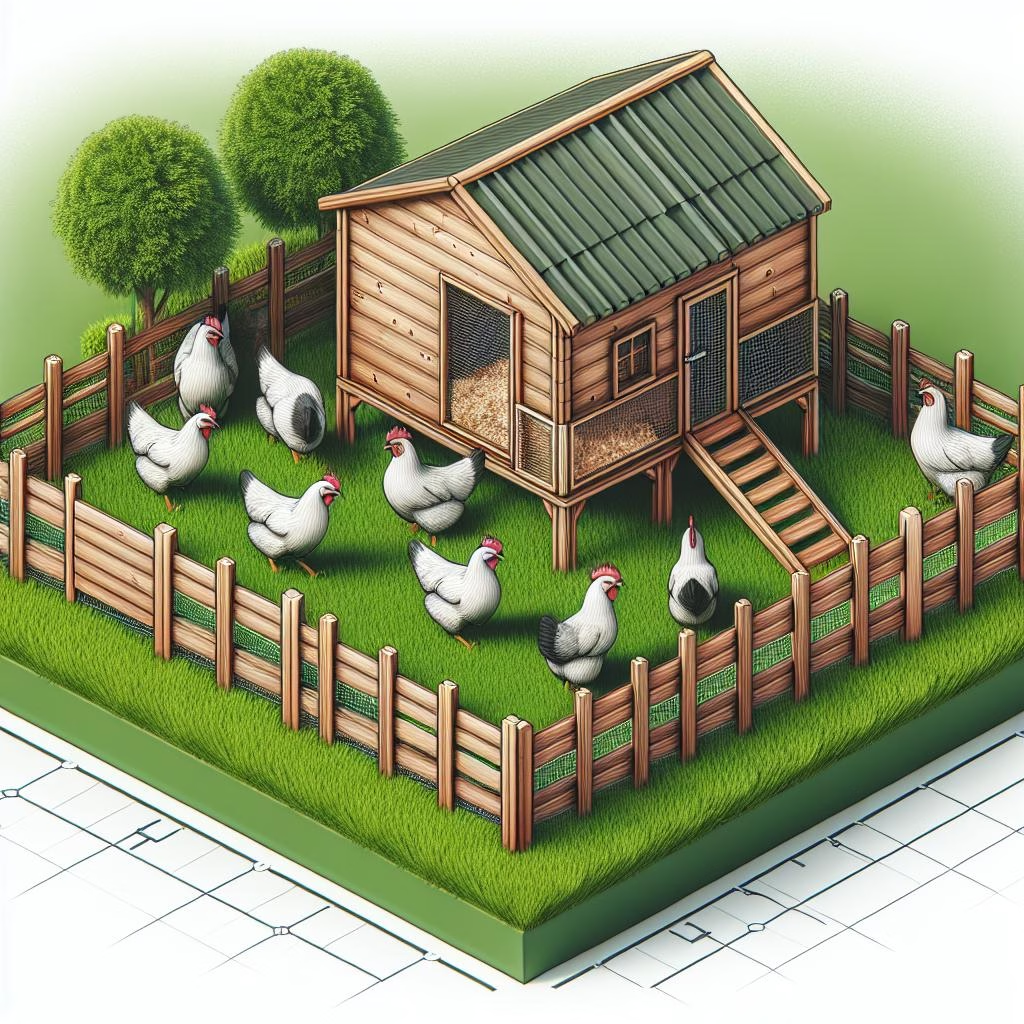
When it comes to constructing the ideal chicken coop, size truly matters—both for your feathered friends’ happiness and for optimum egg production. At its core, the question of “How Big Should a Chicken Coop Be?” involves not just measurements but materials like wood, metal, and wire mesh that ensure durability and comfort. Whether you’re a homeowner dreaming of fresh eggs or a professional builder crafting functional coops, understanding these elements is key. Consideration of space, ventilation, and protection from predators makes all the difference. Ultimately, a thoughtfully designed coop leads to a healthier, more productive flock and a rewarding project for both seasoned and budding builders.
The Perfect Size for a Chicken Coop
When considering ‘How Big Should a Chicken Coop Be?’, we look at the ideal space needed for hens to thrive. Typically, you’ll want at least 3-4 square feet per chicken inside the coop, and around 10 square feet in an outdoor run area. The aim is to ensure chickens are comfortable and can freely move about without feeling cramped. This consideration is not just for practicality, but it also boosts the durability of your structure and enhances aesthetics with its spacious feel. Additionally, accurately sizing your coop ensures strength against the elements, reducing wear over time. However, there are challenges too. More space can mean higher costs, as larger constructions require more materials. The weight of building materials can also make handling and installation a more demanding task. So, while ensuring ample space for your feathered friends enhances their quality of life, it’s crucial to balance this with practicality and budget.Estimating Chicken Coop Size Needs?
Estimating the size of your chicken coop matters greatly to ensure the comfort and health of your feathered friends. Too cramped, and they might become stressed or unhealthy. Adequate space promotes natural behaviours and reduces the risk of disease. Hence, getting the dimensions right is crucial for happy and productive chickens.Creating your dream space, whether it’s a cozy reading nook or an entire home, is much like designing the perfect chicken coop: grounded in thoughtful planning, informed by expert advice, and guided by personal vision. Now, you might wonder what on earth a chicken coop has to do with modern architecture? Well, when designing spaces, certain principles echo universally. Let’s peck through some of those key insights!
Firstly, did you know ensuring a balance of space is crucial in both interior design and coop planning? Experts recommend around three to four square feet per chicken within a coop. This space ensures the chickies are cozy, not cramped—a concept that beautifully aligns with designing human-centric spaces, ensuring rooms feel neither too vast nor too restrictive.
Moreover, just as ventilation is crucial in a coop to keep your feathered friends healthy and happy, it’s equally essential to incorporate proper airflow in home designs. Imagine sipping your morning coffee in a well-ventilated, naturally lit room that welcomes the morning breeze. Doesn’t that sound dreamy?
Let’s talk about integrating culture into design. Did you know many Indian homes beautifully merge traditional elements with modern aesthetics, much like heritage recipes with a twist? This balance is key to elevating spaces with storytelling elements. It’s like having a Jaipur-inspired courtyard in a contemporary Mumbai apartment, blending ritual with modern rhythms.
Seasonal design trends suggest homeowners shift styles and materials for eco-efficiency—just as coop designs might change with seasons to accommodate fluctuating temps. Transitioning with seasons could involve embracing warmer palettes for winters or incorporating energy-efficient solutions like solar panels. Small shifts, big impact!
Of course, how do we get our clients excited about planning their dream spaces? Learning a few practical tips—for instance, clever storage solutions make spaces functional yet uncluttered, similar to optimal nesting box configurations in a coop to keep things smooth and easy!
Eco-conscious building choices are more than just a trend; they are a lifestyle choice. Just as sustainable chicken coop designs might use reclaimed wood or solar lights, building a home with energy-efficient solutions, rainwater harvesting, or repurposed materials can create spaces that both inspire and endure. In fact, such choices significantly reduce carbon footprints, often leading to savings of 30% on utility bills!
Lastly, when innovating spaces while keeping our planet in mind, remember that thoughtful design not only embodies style but sustainability. Imagine an Earthship home, self-sufficient and luxuriously sustainable, or even a tiny home on wheels that champions minimalism and mobility. These are direct innovations parallel to creating a spacious yet snug coop design.
With these insights, you’re well on your way to creating a space worthy of your dreams. And if you’re ever building a chicken coop, remember this simple formula to plan your space perfectly:
Space per chicken = (Number of chickens) x 3 square feet
So, whether crafting a chic home or a clucky coop, blend creativity, culture, and sustainable choices to have your design cluck with charisma and charm! What will you design next? We can’t wait to see you bring these visions to life in inspiring, functional, and innovative ways.
Chicken Coop Size Calculator
plaintextSpace = 0m * 0m
Space: 0.00 m²
Ideal Chicken Coop Size: Key Considerations
When designing or building a chicken coop, size isn’t just a mere detail; it’s paramount for the wellbeing of those feathered residents! Here’s a handy list of major factors to consider when deciding how big your chicken coop should be:1. Durability: Ensure materials withstand weather fluctuations to avoid early repairs. Misjudged durability can lead to increased maintenance!
2. Cost: Bigger isn’t always better from a budget perspective. Ignoring cost-effectiveness may hike up your expenses.
3. Sustainability: Opt for eco-friendly materials. Overlooking this might increase your carbon footprint and hamper future sustainability efforts.
4. Safety: Proper space and sturdy design prevent predators from getting in. Missteps here can jeopardize the safety of your chickens.
5. Ventilation: Ample airflow ensures pleasant living conditions. Poor ventilation invites disease, impacting chicken health directly.
6. Ease of Cleaning: Space should allow for straightforward maintenance. An underestimated layout makes cleaning a daunting chore!
7. Comfort: Optimal spacing avoids overcrowding, weary chickens out of clutches.
Incorporating these insights equips you to craft a coop that’s not just a shelter but a sanctuary, blending efficiency with eco-friendliness, much like thoughtful home design for humans!
Designing Spaces: Practical Calculations for Real-Life Use
When considering the delightful and functional design of a chicken coop, size definitely plays a crucial role. Whether you’re working on a grand home renovation, planning a sprawling commercial construction, laying out beautiful landscapes, or indulging in a creative DIY project, the size of a chicken coop is a surprisingly relatable matter. Let’s dive into some real-world scenarios where size makes all the difference:- In a countryside home renovation, the size of the chicken coop decides how well it merges with the surrounding garden—both practically and aesthetically.
- For urban commercial constructions, ensuring the coop is compact yet spacious can add a quirky touch to rooftop gardens.
- Landscaping projects benefit from well-sized coops by adding a rustic charm to expansive lawns, encouraging sustainable lifestyles.
- A carefully sized chicken coop in schools can become an educational tool, showcasing animal care and sustainability.
- In community gardens, coops need to be large enough to function yet small enough to leave room for other greenery.
- DIY enthusiasts may find the right coop size keeps the fun alive—easy to manage without overwhelming their space.
- When revamping holiday resorts, a stylishly sized coop can offer guests a charming rural experience.
Using quality sealants for waterproofing and joint protection not only boosts safety by preventing structural damage but also can save costs by reducing the need for frequent repairs. This ensures durability and peace of mind.
Chicken Coop Size Conclusion
When it comes to building with reinforced concrete, the secret to success lies in meticulous planning and accurate calculations. By evaluating the amount of rebar needed precisely, you ensure durability and structural integrity, contributing to a smoother project.Worried about managing it all? Fear not! With the right tools and expertise, you can transform complexities into straightforward solutions. Don’t let uncertainty weigh you down—embrace forward-thinking design and start your project on the right foot.
Discover how Earthsarc can guide you through this process and help turn your dream spaces into reality today!