
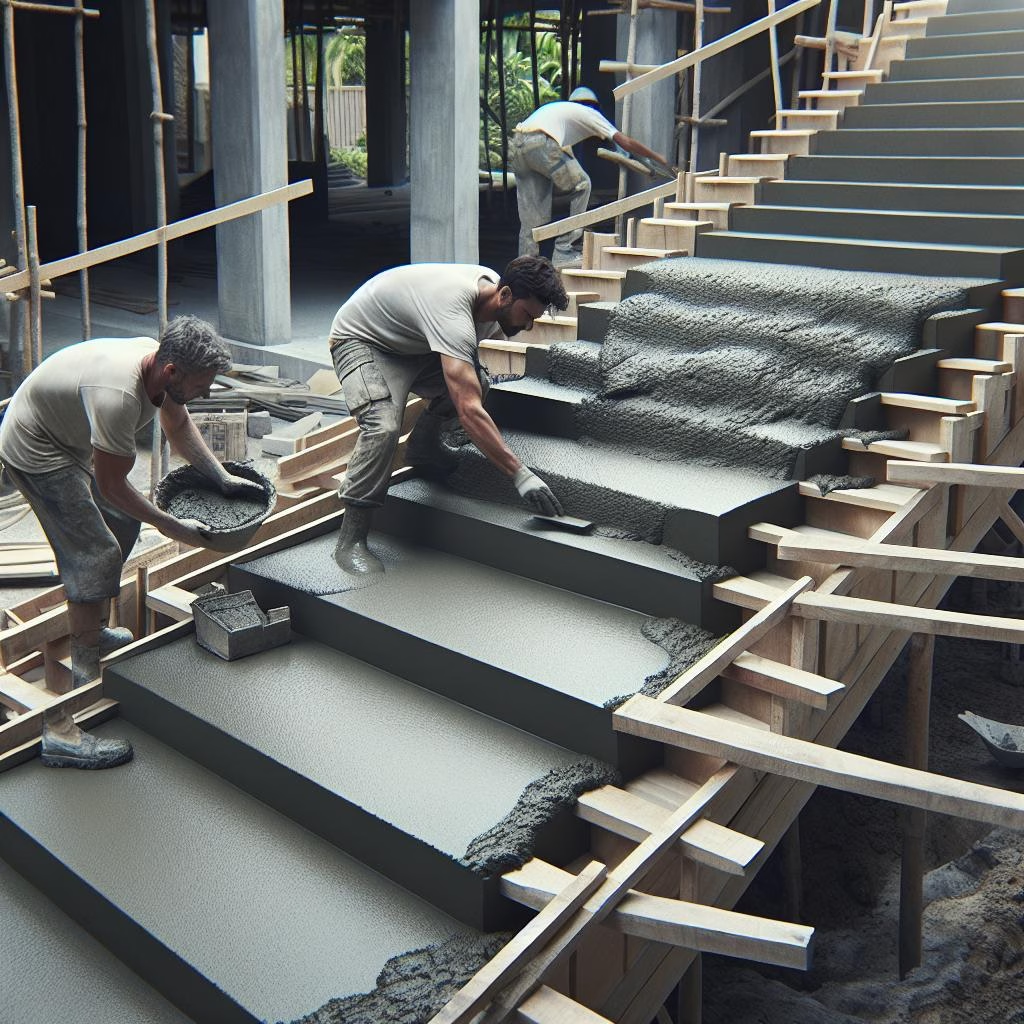
Concrete stairs are a staple in both residential and commercial building projects for their durability, versatility, and timeless appeal. Constructed using cement, sand, gravel, and water, they offer sturdy and reliable support. But why are they so popular among professionals and homeowners alike? Well, it’s not just about aesthetics. Concrete stairs withstand harsh weather conditions, require low maintenance, and are incredibly customizable—making them a practical and appealing choice. Whether you’re a seasoned architect or a first-time homeowner, understanding the key considerations in building durable concrete stairs can significantly impact the success of your project. So, let’s dive in and explore why these concrete marvels are a cornerstone in construction.
Key Insights into Concrete Stair Durability
Concrete stairs are essential elements in many building projects, whether you’re climbing them at home, wandering through a landscaped garden, or stepping up to renovate an existing space.They’re prized for their durability—think of them as the reliable workhorse of the staircase world.
Built to last, they stand strong against weather and wear, offering a robust platform you can always depend on.
When it comes to aesthetics, concrete staircases can be quite the charmer, easily molded into various shapes and styles to suit any design vision, bringing a slice of modern elegance or rustic charm depending on the finish you choose.
However, every rose has its thorns, and in this case, it’s the challenges of cost, weight, and handling.
They can be heavy to manage and a bit pricier upfront but think of them as an investment in the longevity and beauty of your space!
How to Estimate Concrete Stairs Needs?
Estimating is crucial for building durable concrete stairs as it ensures appropriate budgeting and resource allocation. By accurately forecasting costs, materials, and time, one can avoid unforeseen expenses and delays, leading to a smoother construction process and a robust, long-lasting staircase that stands the test of time.To determine the required materials for building durable concrete stairs, an essential formula involves calculating the volume of concrete. This ensures efficiency and reduces waste during construction. Here’s a simple formula you can use:
Volume (cubic meters) = Step Depth x Step Width x Total Tread Run x Number of StepsConcrete Stair Dimensions Calculator
Concrete Volume = Length * Width * Height
Volume: 0.00 m3
Essential Insights for Durable Concrete Stair Design
Creating concrete stairs that stand the test of time requires meticulous planning and detailed consideration. Let’s delve into the major factors that could make or break your staircase project:1. Durability: Ensuring that your concrete stairs withstand everyday wear is crucial. Poor material quality can lead to cracking and chipping, jeopardizing the structure’s longevity.
2. Cost: Budgeting appropriately is essential. Overlooking costs can stall projects and result in inferior materials being used, ultimately affecting the end product.
3. Sustainability: Eco-friendliness is increasingly important. Not using sustainable materials could impact the environment significantly and may accrue additional costs.
4. Safety: Factors like slip resistance and edge design are vital for safety. Incorrect calculations can result in hazardous stairs.
5. Weather Resistance: Consider climate-induced wear and tear. Ignoring weatherproofing steps leads to quick degradation.
6. Aesthetics: The look and finish can’t be ignored. Misjudgments in design could clash with the rest of the space.
7. Maintenance: Underestimating upkeep requirements can lead to reduced stair longevity.
Practical tips include using high-quality concrete, integrating slip-resistant surfaces, considering weather conditions during design, and regularly inspecting and maintaining the stairs for continued safety and durability.
Practical Applications of Concrete Stair Calculations
Building sturdy concrete stairs requires careful planning and attention to key considerations. These considerations become absolutely critical in a variety of real-world scenarios. Let’s explore some of these:- Home Renovation: When upgrading an older home, ensuring the new stairs meet modern safety standards is essential.
- Commercial Construction: In high-traffic areas like malls and office buildings, durability and safety are non-negotiable.
- Landscaping: Outdoor stairs must withstand weather changes—think rain, heat waves, and frost—for long-lasting appeal.
- DIY Projects: Enthusiasts need guidance to ensure their concrete steps are not just DIY but also DIT—Do It Thoroughly.
– Contractors can ensure compliance with safety regulations, which is a big tick for their reputation and clients’ peace of mind.
– Architects can integrate aesthetic design with functionality, crafting stunning and practical spaces.
– Homeowners enjoy peace of mind knowing their stairs are safe, attractive, and robust, enhancing their property’s value and charm.
Using quality sealants for waterproofing and joint protection not only boosts safety by preventing structural damage but also can save costs by reducing the need for frequent repairs. This ensures durability and peace of mind.
Wrapping Up Concrete Stairs
When it comes to building with reinforced concrete, the secret to success lies in meticulous planning and accurate calculations. By evaluating the amount of rebar needed precisely, you ensure durability and structural integrity, contributing to a smoother project.Worried about managing it all? Fear not! With the right tools and expertise, you can transform complexities into straightforward solutions. Don’t let uncertainty weigh you down—embrace forward-thinking design and start your project on the right foot.
Discover how Earthsarc can guide you through this process and help turn your dream spaces into reality today!