
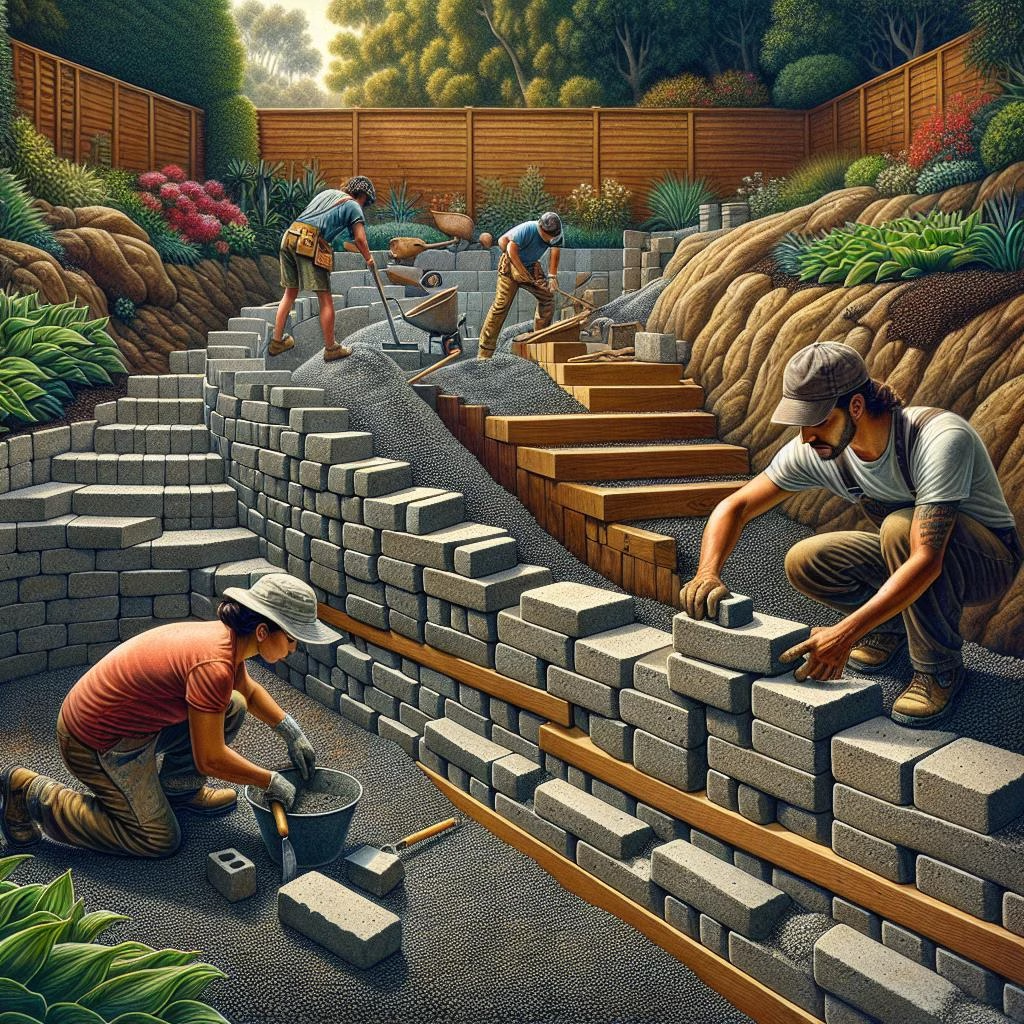
Retaining walls are the unsung heroes of landscaping and construction, gracefully holding back soil while adding a touch of style to your space. Whether crafted from the sturdy embrace of cement, the timeless appeal of brick, or the rustic touch of gravel, these walls matter immensely. They prevent soil erosion, create usable land, and add structural beauty to gardens or driveways. For professionals and homeowners alike, understanding the strength, materials, and cost estimation involved in designing these walls is crucial. Not only do they ensure safety and durability, but they also help in budgeting smarter. Make your next home project a stand-out success with the perfect retaining wall!
Understanding Retaining Walls: A Simple Guide
Designing retaining walls involves creating structures that hold back soil or rock, like superheroes of the landscape. These walls are often found in home construction, adding style and purpose to gardens or sloped areas, and are remarkably popular in landscaping and renovations because they offer a perfect blend of aesthetics and function. They bring both durability and strength, ensuring your property stands firm against shifting earth and erosion. However, the process isn’t all smooth sailing. While they add beauty and long-lasting stability, retaining walls do come with their challenges. The cost can be a hurdle for some, as materials like concrete, stone, or wood add up. They can also be quite hefty, making handling and construction a bit of a heavyweight task. Moreover, their design and installation often require careful planning to prevent future issues like water pressure build-up, which might affect their longevity.How to Estimate Retaining Wall Needs?
Estimating the cost of designing retaining walls is crucial because it ensures the project stays within budget, fosters informed material choices, and binds the design’s structural integrity with financial viability, leading to a stress-free and efficient construction process. To easily estimate the cost of constructing a retaining wall, consider this straightforward formula. This will give you a clear idea of your budget’s direction:
Cost = (Wall Length x Wall Height x Material Cost per Unit) + Labour Costs + Additional ExpensesRetaining Wall Calculator
Volume = 0 m³
Estimated Cost: ₹0.00
Understanding Retaining Walls: Essentials and Cost Insights
When designing retaining walls, it’s vital to address key factors to ensure a successful outcome. Let’s delve into these crucial elements to keep your project on solid ground.- Strength and Stability: Retaining walls must withstand immense pressure from soil. Misjudging this can lead to structural failure, endangering both property and people.
- Material Selection: Concrete, stone, and wood each bring unique properties. Inappropriate choices can result in decreased lifespan or increased maintenance costs.
- Drainage: Proper drainage reduces hydrostatic pressure. Ignoring this can cause wall collapse and significant repair expenses.
- Sustainability: Consider eco-friendly materials and methods to reduce environmental impact. Overlooking this can shift projects out of step with modern sustainability standards.
- Cost Estimation: Accurate budgeting avoids unexpected expenses. Underestimations can derail projects financially.
- Safety Protocols: Ensure compliance with safety regulations to prevent accidents or legal issues.
- Maintenance: A well-maintained wall extends its lifespan. Neglect can lead to costly repairs.
– Prioritize drainage solutions right from the start.
– Regular maintenance checks are key to a long-lasting wall.
“Applying Retaining Wall Calculations in Real Projects”
When it comes to “Designing Retaining Walls: Strength, Materials, and Cost Estimation,” understanding real-world applications can make all the difference in achieving successful, durable, and eye-catching results. Whether you’re embarking on a home renovation or a commercial construction project, this knowledge is invaluable.- Home Renovation: From creating tiered gardens to installing a retaining wall for extra outdoor seating space.
- Commercial Construction: Establishing solid structures around parking lots or playgrounds to ensure safety and enhance aesthetic appeal.
- Landscaping: Crafting visually stunning garden beds and hillsides that align with the property’s natural contour.
- DIY Projects: Small garden walls or terracing structures for personal property enhancement.
- Environmental Protection: Stabilizing slopes and embankments to manage erosion effectively.
- Roadway Support: Securing roadways against sliding soil in hilly terrains.
Additionally, integrating smart design and quality materials not only bolsters safety but also slashes long-term repair costs, offering both peace of mind and financial savings for any project.
Wrap-Up: Building Strong Walls
When it comes to building with reinforced concrete, the secret to success lies in meticulous planning and accurate calculations. By evaluating the amount of rebar needed precisely, you ensure durability and structural integrity, contributing to a smoother project.Worried about managing it all? Fear not! With the right tools and expertise, you can transform complexities into straightforward solutions. Don’t let uncertainty weigh you down—embrace forward-thinking design and start your project on the right foot.
Discover how Earthsarc can guide you through this process and help turn your dream spaces into reality today!